
How Ethiopia’s Circular Economy is Turning Waste into Job Opportunities
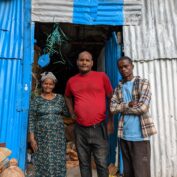
The circular economy has provided an opportunity for Ethiopian entrepreneur Sheshetu Diriba to become financially self-sufficient. She’s not the only one.
This collection of impact and learning briefs detail how to leverage the power of the private sector to create better nutritional outcomes for low-income consumers and more profitable market opportunities for local farmers.
This learning brief explores how strategic partnerships with food processors can overcome barriers to accessing nutritious diets for low-income consumers in East and Southern Africa.
Though this learning brief explore how partnering with food processors can strengthen smallholder farmers’ livelihoods while addressing critical sourcing challenges in food systems.
A new learning brief highlights how targeted access to finance support can unlock growth, resilience, and job creation for food processing SMEs across East Africa.
This report details the work of TechnoServe and Nespresso to improve farmer livelihoods, support regenerative agriculture, and foster a more inclusive and sustainable coffee sector.
This white paper highlights how adopting regenerative practices in the food processing sector can strengthen climate resilience while delivering tangible business benefits.
Eight years ago, Fedila Hussein and Mustafa Tesfaye struggled to earn a living from coffee. Their coffee trees were old and were not producing enough to cover the living expenses of their family of six. After participating in a TechnoServe program, Fedila and Mustafa learned important techniques to improve their coffee yields. Today, their farm is flourishing, and they have seen a 23-fold increase in their coffee production.
This impact brief highlights how engaging food processors as central actors in food systems can drive economic growth, improve diets, and strengthen resilience across local markets.
The Ethiopia LIWAY program is a nine-year initiative implemented by TechnoServe alongside a consortium of partners. The program is funded by the Swedish International Development Cooperation Agency (Sida) and the Embassy of the Kingdom of the Netherlands (EKN). It is working to create a more sustainable and inclusive job market for women and the youth.