Case Studies: Building Markets for Better Nutrition
Case studies from the Millers for Nutrition coalition highlight practical approaches to strengthening markets and expanding access to nutritious foods through food fortification.
Learn more about TechnoServe’s progress and lessons learned from our work in the developing world. Find TechnoServe request-for-proposals here.
Case studies from the Millers for Nutrition coalition highlight practical approaches to strengthening markets and expanding access to nutritious foods through food fortification.
TechnoServe is dedicated to the highest standards of financial transparency and conduct.
How does regenerative agriculture impact the ability of coffee-farming households to earn a living income? A new paper provides data from seven countries.
In this conversation, TechnoServe's Chief Advancement Officer John Keightley sits down with Laura Harwig, TechnoServe's new Chief Operating Officer, to explore what makes the organization's approach to fighting poverty distinct — and to hear an outsider's first impressions eight months into the role.
The guide places a particular focus on reaching women smallholder farmers (SHFs) as a customer segment. It is designed to be used alongside WIN’s other learning products including a study on rural women’s financial behaviours. Click here to download the Rural Readiness Self-assessment Tool: EN or PT…
This guide provides a structured approach that combines segmentation, inclusive materials, usability testing, capability-building across staff, and practical education to expand the reach and impact of products and services among women customers. Click here to download the Gender Inclusion Toolkit: EN or PT…
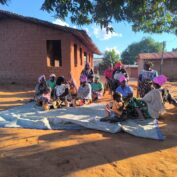
Low-income rural women in Mozambiqueare active economic agents. They farm, save,borrow, and invest in their business. Yet theformal financial sector has largely failed toreach them. This brief summarises findingsfrom 753 interviews with women smallholderfarmers (SHFs) across Nampula, Niassa, andZambezia provinces.
Low-income rural women in Mozambique are active economic agents. They farm, save, borrow, and invest in their business. Yet the formal financial sector has largely failed to reach them. This brief summarises findings from 753 interviews with women smallholder farmers (SHFs) across Nampula, Niassa, and Zambezia provinces.
As climate volatility becomes a structural feature of agricultural planning rather than a risk to be managed, decisions across agri-food systems carry increasing consequences for farmers, businesses, and food security. Against this backdrop, TechnoServe India convened Growing Forward: Decisions That Could Define the Future of Agri-Food Systems, a closed-door…