



Vote for the Photo of the Month: April 2022
Our monthly photo series highlights the beauty and emotion in the lives of our clients around the world.
Our monthly photo series highlights the beauty and emotion in the lives of our clients around the world.
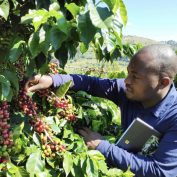
Smallholder farmers around the world are on the frontlines of climate change. Here’s how a TechnoServe trainer in Zimbabwe is helping them fight back.
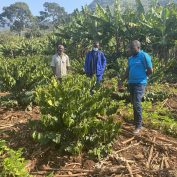
Meet three environmental changemakers working with TechnoServe to make a difference in their communities.
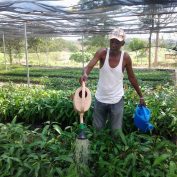
In an op-ed in Fortune, TechnoServe's Katarina Kahlmann shows how climate-resilient supply chains can benefit smalhholder farmers and global businesses.

Writing in Fortune, TechnoServe Chief Program Officer Katarina Kahlmann describes how businesses are supporting farmers in the face of climate change
Leading global nonprofits combine strengths in effort to promote economic and environmental sustainability
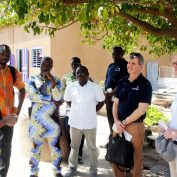
Through TechnoServe’s BeniBiz program, young entrepreneurs like Babatundé Oguidi are getting the training and technical advice they need to run successful micro-enterprises.
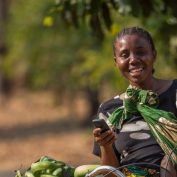
Despite continuing global uncertainty, thousands of people who worked with TechnoServe last year succeeded in improving their incomes and their lives. Our 2021 annual report highlights our impact across sectors and regions last year, and shares how our clients overcame climate threats, gender barriers, and an ongoing pandemic to build a better future for their families.
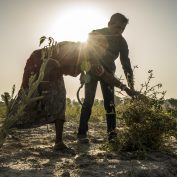
Two of TechnoServe's environmental sustainability experts weigh in on the recent Intergovernmental Panel on Climate Change (IPCC) report and share why it's not too late for us to take action.
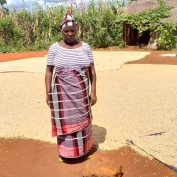
Women comprise 70% of the world's low-income people, making them especially vulnerable to climate change. But with the right support, they can be a tremendous force for protecting their livelihoods, their families, and the environment. This week, we bring you some of those stories.
