




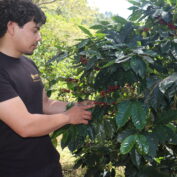
How Young Farmers Are Shaping the Future of Central American Coffee
Meet two young coffee farmers in Central America who are improving their yields and turning their farms into new business opportunities.
Meet two young coffee farmers in Central America who are improving their yields and turning their farms into new business opportunities.
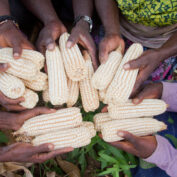
Explore the types, characteristics and examples of subsistence agriculture, which supports millions of households around the world.
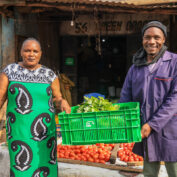
Test your knowledge of sustainable food systems and learn how investing in women, improving farming practices, and strengthening food businesses can benefit people and the planet.
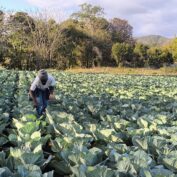
Learn how a farmer in Mozambique transformed her agricultural business by replacing expensive commercial fertilizers with thermal compost and liquid fertilizer, dramatically lowering production expenses while boosting yields and household income.

Every year on October 16, we celebrate World Food Day. This year’s theme is “Innovate Today, Nourish Tomorrow.” Learn how TechnoServe programs are using practical innovations to transform agrifood systems.

Our monthly photo series highlights the beauty and emotion in the lives of our clients around the world. This October, celebrate harvests that women farmers reap from the skills, confidence, and connections they build with TechnoServe.

What is Giving Tuesday, and how can you get involved in this global day of giving? Find out in TechnoServe’s latest explainer.

Are you an informed global citizen? Test your knowledge of current events with our August 2026 world news quiz.

In our latest "Re:Development" episode, Harvard's Amy Edmondson applies her groundbreaking research on organizational behavior to the challenges of global aid.
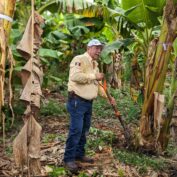
Learn how Mexican farmers like Gustavo Méndez are reaping the benefits of regenerative agriculture in the face intensifying El Niño.
