


More Than a Soap Opera: A Radio Drama for Smallholder Farmers in Mozambique
Table of Contents
- Introduction
- Janete: A Radio Soap Opera Made for Women Farmers
- From Listener to Farm Manager: Production Planning and Better Yields
- Why Radio Works as Agricultural Extension in Rural Mozambique
- A Joint Decision: Household Income and a Savings-Group Loan
- One Story Among Many: Measured Impact Across Five Provinces
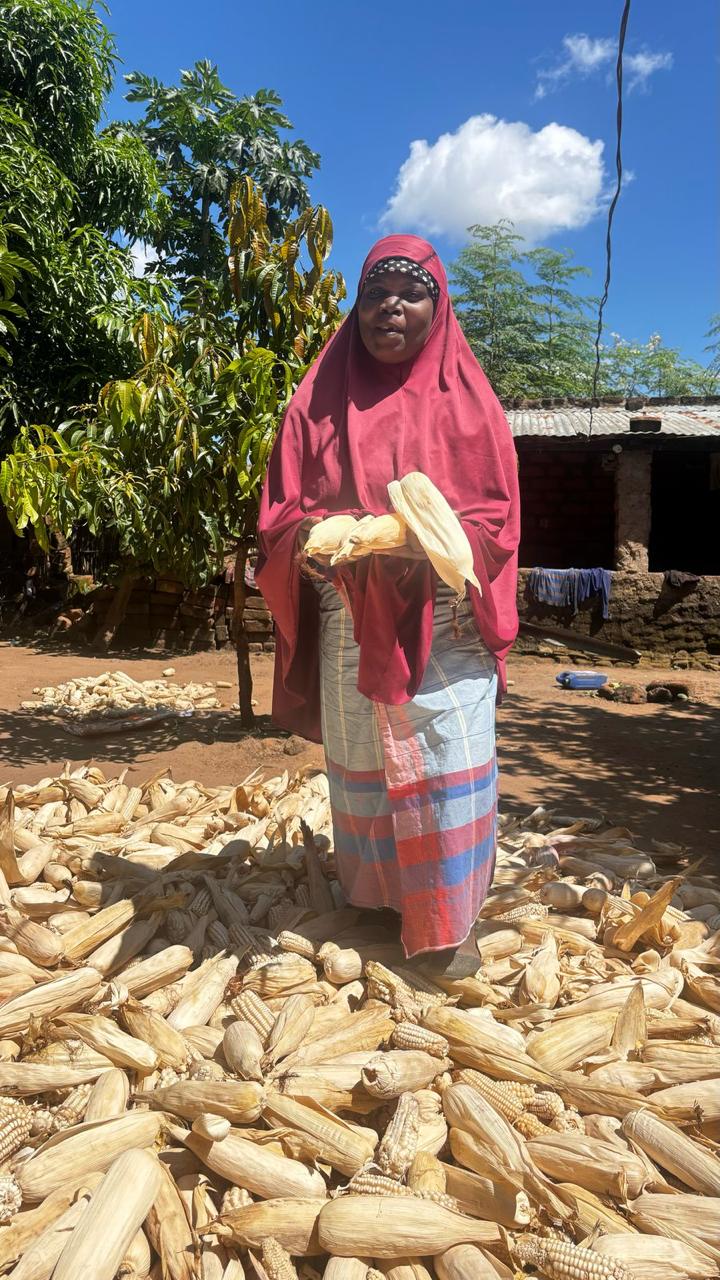
Teresa Morgado, 47, relies on her farm in Nampula Province, Mozambique, to support her family. Like many women farmers in Mozambique, she managed her production for years without a defined plan, selling what she harvested and buying what she needed. That is, until a radio soap opera showed her a different way of working.
In Mozambique, smallholder women farmers often face barriers in accessing information on good agricultural practices, business management, and financial literacy. Without this information, it is difficult to plan production, track income and expenses, or have a say in the income generated by their small plot of land.
TechnoServe’s Women IN Business (WIN) program, funded by the Swedish International Development Cooperation Agency (SIDA), set out to address this gap, especially in rural areas where extension services are rare. The program reached women like Teresa through a medium that is already part of their daily lives: the radio.
Janete: A Radio Soap Opera Made for Women Farmers
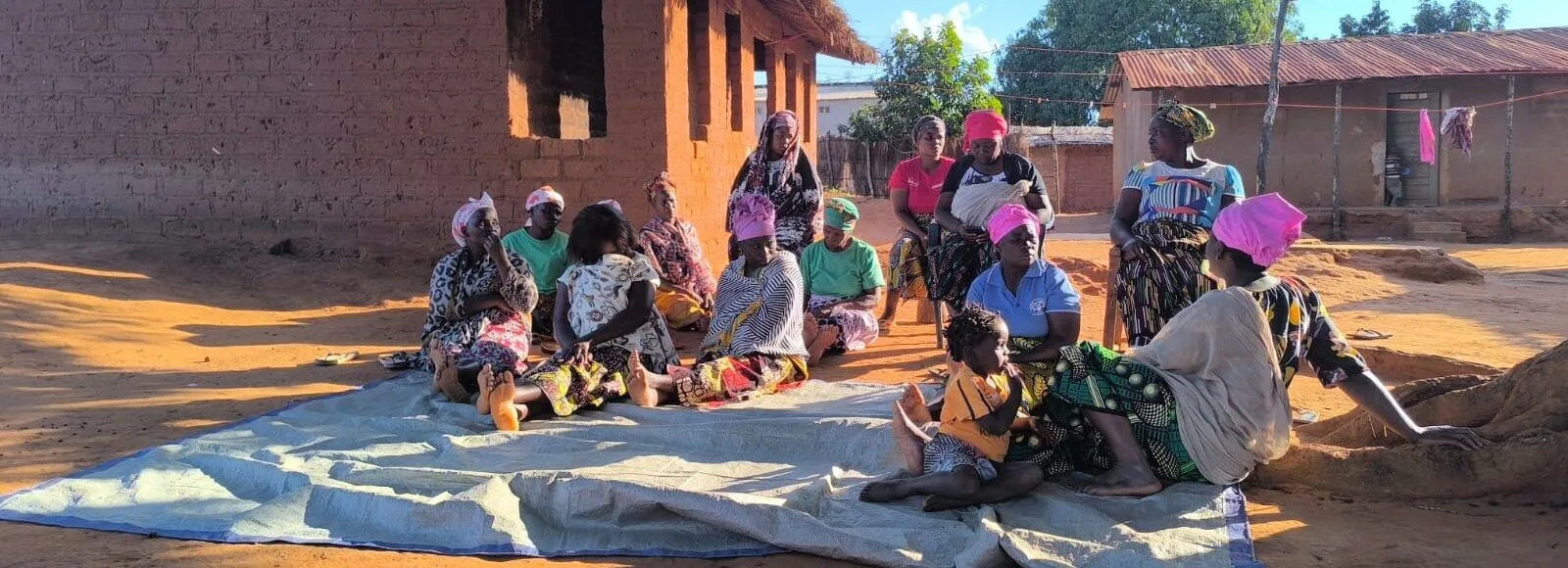
Teresa listens to radio programs in her community. That’s how she discovered “Janete,” a radio soap opera TechnoServe produced in partnership with the Mozambican company ANIMA. Over 22 episodes, the radio drama told stories about climate-resilient agriculture, business management, financial literacy, and gender equality. These topics were selected specifically for women like Teresa. Janete was designed as an edutainment program, using relatable characters and everyday stories to translate practical information on farming, business, finance, and gender equality into lessons that listeners could identify with and apply.
Janete was broadcast on 41 community and provincial radio stations in Nampula and four other provinces in the north and center of the country: Cabo Delgado, Niassa, Sofala, and Zambézia. The soap opera is estimated to have reached about 122,000 women listeners across the five provinces where it was broadcast.
The radio program quickly captured Teresa’s interest. Episode after episode, she picked up practical lessons that, little by little, she began to apply on her small farm, just as thousands of other women who followed the soap opera did.
From Listener to Farm Manager: Production Planning and Better Yields
I listen to radio shows in my community on a regular basis. I heard Janete, and she piqued my interest. Through the show, I learned several things that have transformed the way I work today. Now, I keep track of everything I sell and organize my activities based on a production plan.”
This change, simple in appearance, has improved management of her farming business, allowing her to better understand what she produces, what she sells, how much she earns, and when she spends. Instead of making decisions only when the harvest arrived, Teresa began planning, knowing in advance what she would plant, when, and what resources and inputs she would use.
Why Radio Works as Agricultural Extension in Rural Mozambique
With the knowledge gained from the soap opera, Teresa also began adopting improved agricultural practices. She started controlling pests more effectively, leaving crop residues in the field to protect and enrich the soil, and maintaining the correct spacing between plants. These are simple changes to implement, but they require knowledge. This is the kind of knowledge the soap opera brought to her community, leading to more organized production and better yields on the farm.
A Joint Decision: Household Income and a Savings-Group Loan
Teresa’s transformation wasn’t limited to the farm. She and her husband began making joint decisions regarding production, strengthening the management of the household’s income. These changes were a direct result of one of the soap opera’s central themes: women’s participation in family decisions.
To take a step forward, Teresa took out a loan from her savings group to invest in her farm. She might not have made that decision without the knowledge and confidence she gained throughout the episodes of Janete. As a result, Teresa has increased productivity on her farm and, with it, her family’s income.

A Different Way to Make A Difference.
Discover how TechnoServe bridges the gap between “thinking big” and practical business solutions that help hardworking people move from poverty to prosperity around the world.
One Story Among Many: Measured Impact Across Five Provinces
Teresa’s experience shows how access to information, even through a channel as simple as radio, can positively influence agricultural practices, business management, and family organization in rural communities.
Teresa’s experience is one example of the changes reported among women who listened to Janete. An impact assessment conducted before and after the broadcast examined changes in agricultural practices, business management, and women’s control over income. Among the women who listened to Janete, an estimated 9,400 have adopted regenerative and climate-resilient agricultural practices, more than 7,800 have improved how they manage their business finances, and more than 4,000 now have greater control over their income.
Taken together, these figures tell a story similar to Teresa’s. The story of women in Nampula, Cabo Delgado, Niassa, Sofala, and Zambézia who, just like her, turned on the radio one ordinary day and found extraordinary ways to make their farms more organized, their families more involved, and to gain a little more control over their own futures.
Janete demonstrates how radio can combine storytelling, practical knowledge, and locally relevant content to support women farmers and strengthen their ability to make informed decisions.
