
Developing Agribusinesses and Empowering Youth in Cabo Delgado
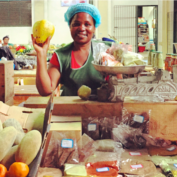
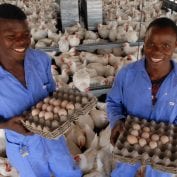
Through Catalisa we work with agribusiness partners and smallholder farmers to increase their ability to earn a profit from poultry and horticulture.
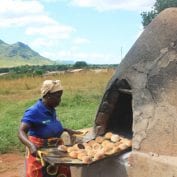
In northern Mozambique, TechnoServe worked with a women’s cooperative called Nossara to promote local consumption of soybeans, improving both incomes and nutrition.
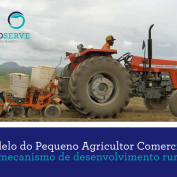
Learn about the impact of TechnoServe’s small commercial farmer model as a mechanism for rural development.
Africa is home to over half of the world’s supply of cashew, a crop that is growing in demand globally as incomes rise and diets change. From planting seeds, to harvest, to processing, see how cashews from Mozambique and Benin make it to your table.
TechnoServe Mozambique marked 20 years of inclusive growth and poverty reduction with a distinguished panel and celebration.
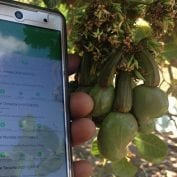
ConnectCaju’s mobile application-based platform puts crucial data at the fingertips of government officials and cashew farmers in Mozambique.
A coalition spanning the private, nonprofit, and research sectors tested innovations in agriculture that can drive impact on a large scale. We share results and lessons from an experiment in Mozambique that leveraged mobile technology to drive shared value.
How small commercial farmers in the highlands of Zambézia are driving adoption of improved techniques for soy seed production.
In only four years, Mozambique cashew farmers have planted more than 500,000 cashew seedlings, while burgeoning processing plants across the country work to connect these booming yields with premium markets.
This report outlines four years of impact and insights from the MozaCajú program, which supported the Mozambican cashew nut industry by harnessing global market demand for premium cashew and addressing obstacles throughout the value chain, including production, inputs, processing, finance, and marketing.