5 Ways Climate Change Disproportionately Impacts Women
Learn 5 key ways climate change disproportionately impacts women and what we can do to address it.
Around 43,000 people in Mozambique have improved their eating habits through the Mangwana program, which combines agricultural training with practical cooking demonstrations to fight malnutrition.
In 2024, TechnoServe programs mitigated 126,000 tons of CO₂e and supported regenerative practices across 189,000 hectares of land—numbers set to grow in the years ahead. To unpack how and why TechnoServe measures these impacts, we spoke with Inés Suaya, senior specialist for climate impact.
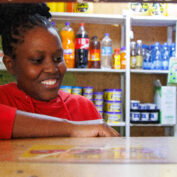
TechnoServe Fellow Rediet Yeshidenber shares her experience building sustainable business solutions to poverty in Kenya by transitioning the Smart Duka program into a self-sustaining independent organization. Discover how strategic financial modeling and community-driven entrepreneurship are driving global equity and empowering micro-retailers across Nairobi.
Learn how young people in Kenya are gaining the skills and confidence they need to build livelihoods through the blue economy.
Case studies from the CASA Kenya Program highlight opportunities for agribusinesses to drive green and inclusive growth.
A new report highlights opportunities to support entrepreneurs in creating economic resilience and jobs in one of the world’s largest communities of displaced people.
Nigeria's massive plastic waste crisis is also an economic opportunity. See how one program is transforming the informal recycling sector, turning waste into wealth.
Our monthly photo series highlights the beauty and emotion in the lives of our clients around the world. This month, we're celebrating the hardworking women who build better lives for themselves, their families and communities.
This International Women’s Day, Millers for Nutrition spotlights outstanding women across our countries of implementation who are advancing food fortification along the value chain. While their roles differ, their shared impact is clear: healthier, better-nourished populations.