5 Ways Climate Change Disproportionately Impacts Women
Learn 5 key ways climate change disproportionately impacts women and what we can do to address it.
In 2024, TechnoServe programs mitigated 126,000 tons of CO₂e and supported regenerative practices across 189,000 hectares of land—numbers set to grow in the years ahead. To unpack how and why TechnoServe measures these impacts, we spoke with Inés Suaya, senior specialist for climate impact.
A TechnoServe program in India is equipping women-led startups with the knowledge and tools they need to make a sustainable impact.
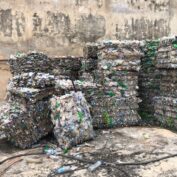
Nigeria's massive plastic waste crisis is also an economic opportunity. See how one program is transforming the informal recycling sector, turning waste into wealth.
The Amazon is critical to our climate and planetary health. How can economic development there support people and the planet?
In our latest "Re:Development" episode, the head of the U.N.'s loss and damage fund, Ibrahima Cheikh Diong, shares an inside look at climate change financing and how he thinks foreign aid should improve.
The Benin Classified Forests Initiative is a program designed to protect Benin’s classified forests while creating sustainable economic opportunities for communities living around them. By strengthening alternative economic activities around Non-Timber forest Products beyond natural wood extraction and forest-based agriculture, specifically shea and honey, the project enables women and youth to increase their incomes while reducing pressure on forest ecosystems.
Sustainability is no longer a passing buzzword. It is becoming one of the most powerful drivers of innovation, investment, and socio-economic transformation. Learn about six green startups in India that are solving real-world challenges in an environmentally-friendly way.
ReGenerate Rwanda works to boost incomes, address the unmet demand for essential products and services, and deliver environmental benefits.
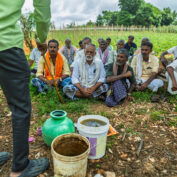
In India's maize belt, farmers are reclaiming their land from the worst drought in 150 years by embracing regenerative agriculture to restore water and soil health. See the faces and hear the stories behind this transformation in our latest photo essay.