


Women in Recycling: Driving Arequipa’s Circular Economy
In Peru, recycling is a way to address an urgent environmental issue and an opportunity to build an inclusive circular economy that creates new economic opportunities for women and youth.
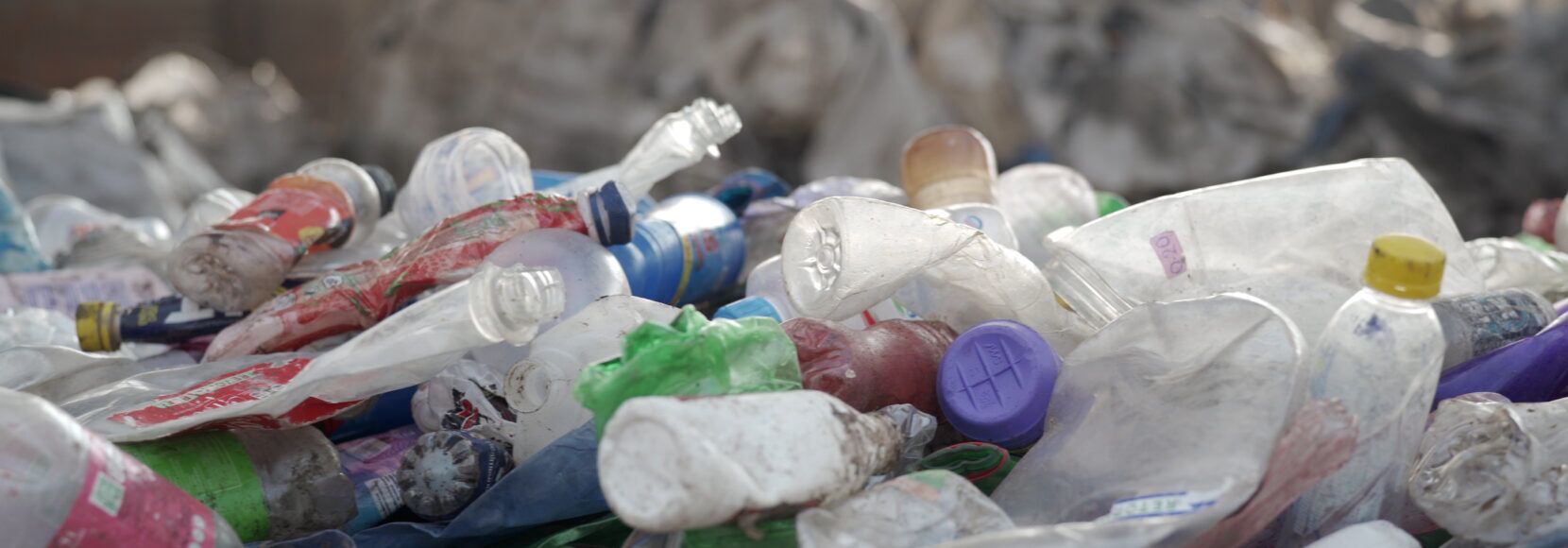
Every morning, before the city fully wakes up, hundreds of women walk the streets of Arequipa collecting recyclable materials. What many see as waste, they see as opportunity: a way to earn an income, support their families, and care for the environment.
Across Latin America, around 4 million people make a living from recycling, and many of them are women. Yet despite their vital environmental and economic contributions, their work often remains invisible.
In Peru, the challenge is clear. More than 8 million tons of waste are generated each year, but less than 2% is recycled. This is not only an urgent environmental issue but also an opportunity to strengthen an inclusive circular economy, one that gives materials a second life while creating new economic opportunities for women and youth.
The Heart of Recycling in the White City
Arequipa, known as the “White City,” is home to more than 1.1 million people and generates around 355,000 tons of solid waste each year. Although each person produces about 0.67 kg of waste per day, recovery rates remain low. Behind those numbers is the often unseen work of hundreds of recyclers who collect materials—such as plastic, paper, glass, and metal—from neighborhoods, markets, and households. These are materials that might otherwise end up in landfills or other inadequate disposal sites.
Women play a leading role in this work. An estimated 86% of those recovering recyclable materials in the city are women. Many lead associations, run businesses, and promote household waste segregation. At the same time, they often shoulder the bulk of caregiving responsibilities within their families, while helping to build a more sustainable and inclusive city.
A Bridge to Professionalization: The Empleos Verdes Arequipa Project
For years, recycling has been marked by informality and limited opportunities for economic growth. The Empleos Verdes Arequipa project, implemented by TechnoServe with support from the Anglo American Foundation, was created to help change that reality.
The project aims to strengthen the recycling value chain through technical training, business advisory services, and connections to formal markets. Its goal is to make recycling a safer, more efficient, and more profitable activity, while recognizing the role of those who recover recyclable materials and creating new opportunities within an inclusive circular economy.
Through this support, recyclers can improve their processes, strengthen their business skills, and move toward formalizing their enterprises.

From Resilience to Entrepreneurship: The Story of ECOMT GROUP
Among the many stories that have emerged through this process, Cristina Toledo’s stands out.
For more than 20 years, Cristina has worked in the recovery and commercialization of recyclable materials. What began as a way to support her family gradually became a means of contributing to environmental protection as well.
Like many others in the sector, she spent years navigating instability, limited recognition, and few growth opportunities. But her experience and perseverance led her to seek new ways to strengthen her work.
Through her participation in the Empleos Verdes Arequipa project, Cristina received specialized training in:
- Operations and occupational safety
- Business management and formalization
- Marketing, sales, and finance
- Connections to industrial markets
- Soft skills such as leadership, assertive communication, and emotional management
This process allowed her to take a decisive step forward.
“The Empleos Verdes Project has allowed me to build my skills, formalize my business, and plan for growth,” Cristina shared.
As a result, she formalized her company, ECOMT GROUP, transforming years of experience in recycling into a business with a clear entrepreneurial vision.
But her story does not end there. Today, Cristina works alongside her daughter, Evelyn, a 25-year-old who brings fresh ideas and a new perspective to the business. Together, they show that recycling can be more than a source of income; it can also be a pathway to family growth and women’s leadership in the circular economy.
Recognizing Women’s Work, Transforming the Sector
Stories like Cristina’s show that recycling is much more than an environmental activity. It is also a pathway to economic empowerment and leadership for many women, especially young women.
Recognizing and strengthening their work is essential to building more sustainable and inclusive cities. Their efforts not only reduce the amount of waste that ends up in landfills, but also energize local economies and create new green job opportunities.
Supporting partnerships that value their work is key to building a circular economy that leaves no one behind. In Arequipa, women are not only participating in this transition, they are helping lead it, proving that a more sustainable future will also be a more inclusive one.

