


4 Key Skills Every Shopkeeper and Small Shop Owner Needs
Through TechnoServe’s work with shopkeepers in more than half a dozen countries, we have identified four skills that all microretailers need to transform their businesses and lives.
Editor’s note: This blog was originally published in February 2020 and was updated in September 2026.
What Is a Shopkeeper, and Why Do Small Shops Matter?
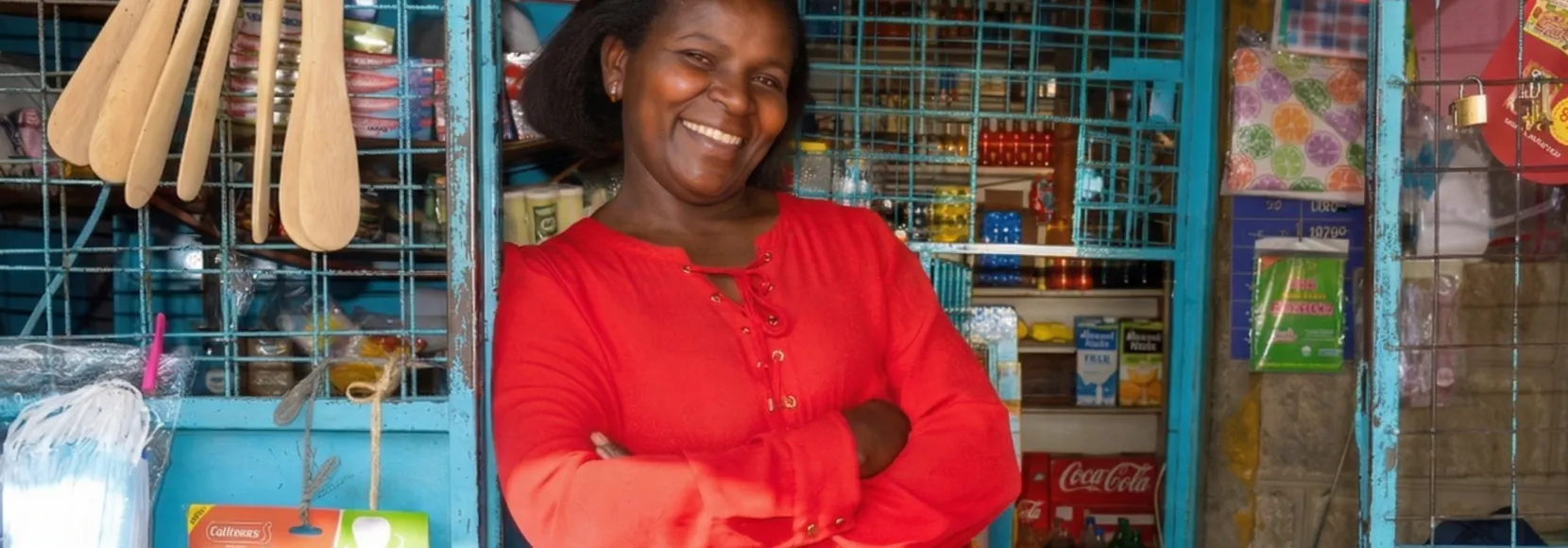
A shopkeeper is someone who owns or runs a small retail shop, such as a grocery store, kiosk, or corner store. They manage their stock, money, and customers. In Kenya, these small shops, known as dukas, sell most of the everyday goods people rely on.
Small retailers around the world are vital to local economies, selling $11 trillion worth of goods annually in developing countries. However, many of these microretailers struggle to run profitable businesses because they lack the information and skills they need.
By examining research and results from TechnoServe’s microretail programs over the years, we began to recognize the common skills shopkeepers need to succeed across a range of geographies and sectors. Using this information, we developed a roadmap outlining four capabilities shop owners need to transform their businesses and communities.
What Skills Are Needed to Run a Small Shop?
1. Recordkeeping and Financial Management: Know What Your Shop Earns
The first step in microretailer training often involves helping shopkeepers understand their financial situation through basic recordkeeping. TechnoServe teaches shopkeepers how to separate household funds from business funds, evaluate decisions based on financial information, understand how much money the business is making or losing, and keep complete records of the business’s sales and costs. With this information, retailers can make more informed decisions that will positively impact their business in the long term.
Charity Dangana runs a small retail shop outside Abuja, Nigeria, selling water and basic household items. Before the TechnoServe training, she struggled to make a living and run her shop effectively. “Before, I just did business without keeping any records. I did not keep track of margins,” she recalled. Now, she can analyze her business performance and make better decisions about how to use her revenue.
2. Inventory Management for Small Shops
It can be complicated for shopkeepers to keep track of the flow of store inventory and stock. However, to maximize profits, shopkeepers need to anticipate seasonal changes in product demand; regularly identify new suppliers; track sales, stock, and margins; and understand who their customers and potential customers are.

3. Visual Merchandising: Help Customers Find What They Need
The best inventory in the world won’t matter if a customer can’t find it. Visual merchandising is a powerful tool that can lead customers to the right products, entice them to buy, and create an excellent in-store experience. On the other hand, poor layout and atmosphere can discourage easy shopping, leading consumers to take their business elsewhere or reduce their purchases. TechnoServe teaches shopkeepers simple techniques, such as installing adequate lighting, keeping the store tidy, arranging products neatly, and grouping similar products together.
4. Customer Service and Promotion: Turn Shoppers Into Regulars
Microretailers can increase profits by building on the promotion strategies offered by the brands they carry and applying their own knowledge of the community, customers, and the store. TechnoServe teaches shopkeepers how to segment customers and target marketing; how to use “hook” products to bring in customers and increase sales; and how to conduct active price scans of local competitors to set the most attractive prices.
What Happens When Shopkeepers Learn These Skills? TechnoServe’s Results
Focusing consistently on these skills – in addition to others based on the shopkeeper’s particular needs – has led over 8,000 small shop owners to improve their profits by an average of 30%, helping them better provide for their families and build greater long-term opportunities for themselves and their communities.
View the full Microretailers’ Manual
Frequently Asked Questions
- What is a shopkeeper?
A shopkeeper owns or runs a small retail shop and is responsible for its stock, money, and customers. In many countries, shopkeepers, often called micro-retailers, run the corner stores and kiosks that sell most everyday goods, and many are women running family businesses.
2. What skills does a shopkeeper need?
A shopkeeper needs four core skills: recordkeeping and financial management, inventory management, merchandising, and customer service and promotion. TechnoServe identified these by studying its micro-retail programs across several countries. Shop owners who apply them consistently have increased their incomes by about 30% on average.
3. What is the difference between a shopkeeper and a store owner?
A store owner holds the business; a shopkeeper runs it day to day. In a small shop, they are usually the same person, which is why the terms are used interchangeably. Employees who serve customers are shop assistants, not shopkeepers, because they do not carry responsibility for the whole business.
4. How can a small shop owner increase profits?
A small shop owner can increase profits by keeping simple daily records, separating business money from household money, tracking which products sell and at what margin, arranging the shop so customers find products easily, and pricing against nearby competitors.

