


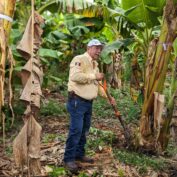
The Benefits of Regenerative Agriculture: A Savings Account for the Farm
Learn how Mexican farmers like Gustavo Méndez are reaping the benefits of regenerative agriculture in the face intensifying El Niño.
Learn how Mexican farmers like Gustavo Méndez are reaping the benefits of regenerative agriculture in the face intensifying El Niño.
TechnoServe’s NutriSave program is developing innovative solutions to turn surplus produce into nutritious, affordable meals while supporting local vendors and farmers in Kenya.
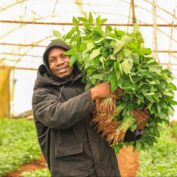
What are sustainable food systems and why are they important? Find out how TechnoServe is helping build more sustainable food systems across Africa, Asia, and Latin America in our latest explainer.

When an agricultural sector grows, farmers aren’t the only ones who benefit. In Peru, Iván Ramos built a successful company manufacturing products to make coffee farmers’ work easier and more profitable.
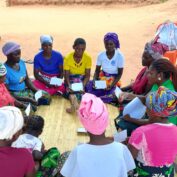
Learn how a Mozambican farmer turned her harvest into a thriving business and is now reshaping her community, one bean pastry at a time.
The world produces food at enormous scale, yet millions of people still struggle to access a nutritious diet. Why? This blog challenges five common assumptions about hunger and explores how income, markets, farming, food processing, and economic opportunity shape what ultimately reaches people’s plates.
Learn about the important role of farmers in the agriculural and food supply chain in this comprehensive overview.
Global Coffee Director Paul Stewart shares three key takeaways from TechnoServe and Sustainable Food Lab's new report on how adopting regenerative practices affects coffee-farming households' ability to earn a living income.

Teresa Morgado, 47, relies on her farm in Nampula Province, Mozambique, to support her family. Like many women farmers in Mozambique, she managed her production for years without a defined plan, selling what she harvested and buying what she needed. That is, until a radio soap opera showed her a different way of working.

Women have long played an essential role in coffee farming in Guatemala, contributing to harvesting, pulping, and tending nurseries. Yet their work is often viewed as secondary, and they rarely receive the same social or economic recognition.
