



Small Coffee Farms, Increasing Returns in Honduras
Smallholder Honduran coffee farmers are benefiting from agronomy training and direct relationships with buyers.
Smallholder Honduran coffee farmers are benefiting from agronomy training and direct relationships with buyers.
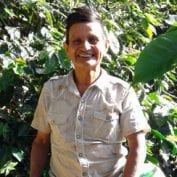
With the financial support from Gevalia and the Kraft Heinz Company, TechnoServe worked with smallholder coffee farmers in the regions of El Paraíso and Intibucá to increase the quantity and improve the quality of Honduran coffee in a way that creates additional value for smallholder farmers at the origin of the value chain.
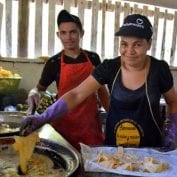
A plantain business in Honduras demonstrates how women's inclusion can translate into higher sales, expanded markets and a more diverse talent pool.
When it comes to protecting both smallholder incomes and the larger global food supply against climate-induced shocks, there are three important factors to consider.
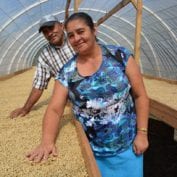
The four-year Sustainable Agricultural Improvement project (Mejoramiento Agrícola Sostenible, or MAS, in Spanish) targeted small and medium-scale coffee and bean farmers in the central region of Honduras. Funded by the U.S. Department of Agriculture’s Food for Progress program, the project supported the Honduran government's national development plan and agriculture sector strategy.
Coffee is an important livelihood for more than 1 million farming families in Latin America. See how we are helping coffee farmers like Alicia Yucute overcome hurdles to lift themselves out of poverty.
The package of Askinosie Chocolate’s dark chocolate bar from Cortés, Honduras shows a smiling farmer, backed by cocoa trees. This is Fermin Arriaga, the lead farmer at Finca Patricia, which supplies premium cocoa beans to Askinosie. TechnoServe is showing farmers that they can get a higher price for their…
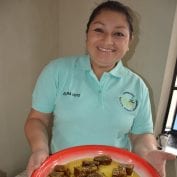
Beekeeping is one of the major livelihood activities in the departments of Colón and Ocotepeque, providing income and other benefits like food, nutrition and medicine.
In 2010, university student Julio Baltodano surveyed the local apparel industry in Managua, Nicaragua, and devised a clever business idea. Together with his friend Verónica Bucardo, Julio envisioned IKO Imagen as a leather and textile manufacturer that would specialize in handbags and brand merchandising, or placing company logos on t-shirts…
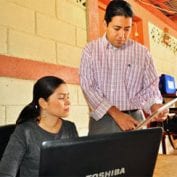
Impulsa Tu Empresa aims to help small and growing businesses boost their growth through mentoring and business training. Since its launch in 2012, the program has increased the sales of over 1,500 businesses and helped create 1,600 new jobs in Guatemala, Honduras, El Salvador, Nicaragua, Colombia, and Burkina Faso.
