


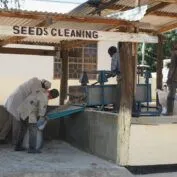
Assessment of Food Fortification Approaches: Enablers and Challenges
Explore food fortification approaches from Millers for Nutrition and lessons for engaging food processors and expanding access to fortified foods.
Explore food fortification approaches from Millers for Nutrition and lessons for engaging food processors and expanding access to fortified foods.

In northern Benin, a community radio broadcast is changing attitudes and lives. TechnoServe partnered with Radio SOTA FM to co-produce programs on entrepreneurship and women's economic empowerment. These shows reach thousands of listeners across West Africa and beyond.
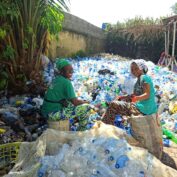
Discover the systemic solutions needed to transform local livelihoods, meet rising domestic demand, and build a circular economy.
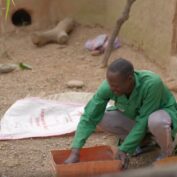
Meet a young farmer who is making his entrepreneurial dreams a reality thanks to practical business skills he learned from TechnoServe.
This graduation season, as many young people finish school and begin to consider their next steps, entrepreneurship presents a promising opportunity. Seven entrepreneurs who made that leap share their challenges, biggest lessons, and advice for peers considering the same path.
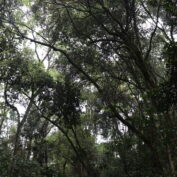
Through the Government of Benin’s World Bank–funded Classified Forests Program, TechnoServe will strengthen the value chains for non-timber forest products
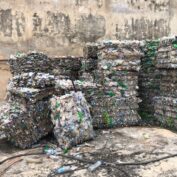
Context Nigeria ranks among the top ten global plastic waste polluters, facing a growing environmental crisis. Each year, the country generates an estimated 32 million metric tons of waste, including an estimated 2.5 million metric tons of plactic, much of which ends up in waterways, streets,…
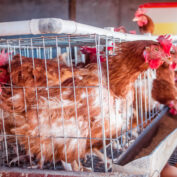
The Benin Poultry Value Chain Transformation (BeniPoule) program is a market-driven initiative designed to strengthen Benin’s poultry sector by supporting production and commercial growth, reducing reliance on imports, and improving food security. Working with market actors across the value chain, the program promotes more competitive, resilient, and inclusive poultry production to create better jobs and expand opportunities for women and youth.
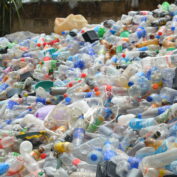
Nigeria's massive plastic waste crisis is also an economic opportunity. See how one program is transforming the informal recycling sector, turning waste into wealth.
The Benin Classified Forests Initiative is a program designed to protect Benin’s classified forests while creating sustainable economic opportunities for communities living around them. By strengthening alternative economic activities around Non-Timber forest Products beyond natural wood extraction and forest-based agriculture, specifically shea and honey, the project enables women and youth to increase their incomes while reducing pressure on forest ecosystems.
