





Fostering Entrepreneurship in Developing Countries
How can we stimulate entrepreneurship in the developing world? For TechnoServe, this is more than just a theoretical question.
How can we stimulate entrepreneurship in the developing world? For TechnoServe, this is more than just a theoretical question.
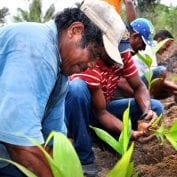
In the south of the Brazilian state of Bahia, three organizations are uniting to implement an economic development project that is generating benefits for 60 farmers who live on settlements created after agrarian reform.
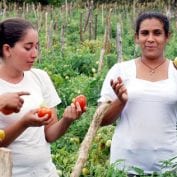
In honor of International Women’s Day, we share a story about an inspiring woman in Nicaragua who has found independence and self-sufficiency through farming.
The great Peter Drucker once said, “Innovation is the specific instrument of entrepreneurship. The act that endows resources with a new capacity to create wealth.” The story of Liset and Ximena Contreras embodies this quote and much more.
Hear what TechnoServe President and CEO Bruce McNamer, Haitian President Michel Martelly and others have to say about how to sustainably rebuild Haiti.
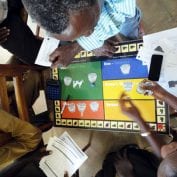
In Nicaragua, Iveth Juárez, a small business owner who processes and sells cereal to the local market, had attended seminars, workshops, courses and training sessions on accounting and finance. But at the end of each session, she always felt the same sense of confusion.
The region is also known for the hospitality of its Afro-Colombian population – a community that historically has suffered from neglect and discrimination. Now, however, the Nuquí community is working hard to preserve the region’s beauty while also sparking economic opportunities through eco-tourism. One of the leaders of this…
Sons and daughters of landless farm workers, these producers gained ownership of land in the village of Gualtaya through 1970s agrarian reforms. Their plots have the combination of altitude and shade needed to produce some of the country’s best coffee. But for years, these farmers sold their coffee through local…
Karina Madariaga began collecting and selling recyclable materials at a young age to add to her family’s income. In 1999, she and nine others who made a living salvaging recyclables decided to a form a collection center called Oreste Plath which they would manage themselves. Their work consisted of…
Mónica’s path to independence began three years ago when she joined an association of women from the San Lucas Tolimán region, who learned practical skills like weaving in an effort to find income opportunities. Mónica’s husband had abandoned the family, leaving her in debt and with few opportunities for employment.
