


The Benefits of Regenerative Agriculture: A Savings Account for the Farm
Learn how Mexican farmers like Gustavo Méndez are reaping the benefits of regenerative agriculture in the face intensifying El Niño.
How Climate Change Hits Farmers in Tabasco, Mexico
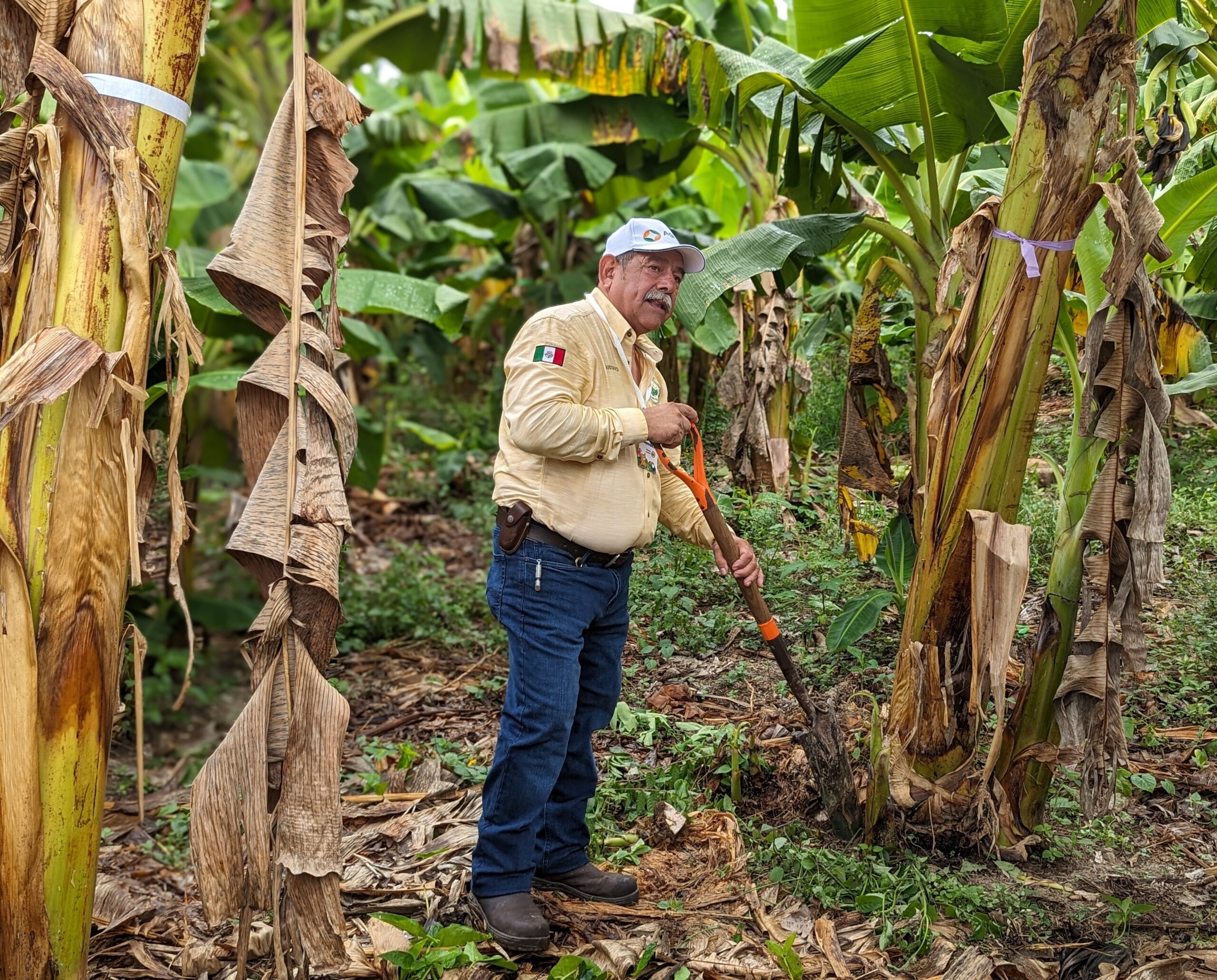
“You have no idea how many times we’ve had to deal with intense rains and long stretches of drought here in Tabasco,” said Gustavo Méndez. As the morning heat rises and humidity hangs in the air, he walks through the plantation with a machete in hand, moving from one Cavendish banana plant to the next. He stops to inspect the bunches and young shoots, carefully checking each plant’s condition.
For a Mexican farmer like Gustavo, climate change isn’t a distant conversation or a number in a report. It’s happening right now. Climate change is also making weather patterns less predictable, and natural climate patterns such as El Niño can further intensify these conditions. Together, they can contribute to longer periods of drought, heavier rainfall, and more extreme heat, making it harder for farmers to know what to expect from one season to the next.
In an August 2026 update, the World Meteorological Organization said there is a nearly 100% probability that El Niño will persist far longer than its normal season, well into February 2027.
For farmers like Gustavo, these changing and increasingly unpredictable conditions are felt directly in the field.
It’s felt when the rain that used to come at a certain time of year simply doesn’t show up. When, after weeks of waiting, it finally rains but comes down so hard the water can’t drain out of the orchard fast enough. Or when a dry season drags on longer than expected, forcing plants to endure drought conditions.
This is how Gustavo explains it. The banana farmer is a member of Productores Agrícolas Plataneros de la Isla, Tabasco (Los P.A.P.I.S.), which sells Cavendish bananas to Walmart. The agribusiness was developed by AgroVita, a PepsiCo Foundation program, in partnership with Walmart Mexico Foundation.
Taking Care Today to Produce Tomorrow
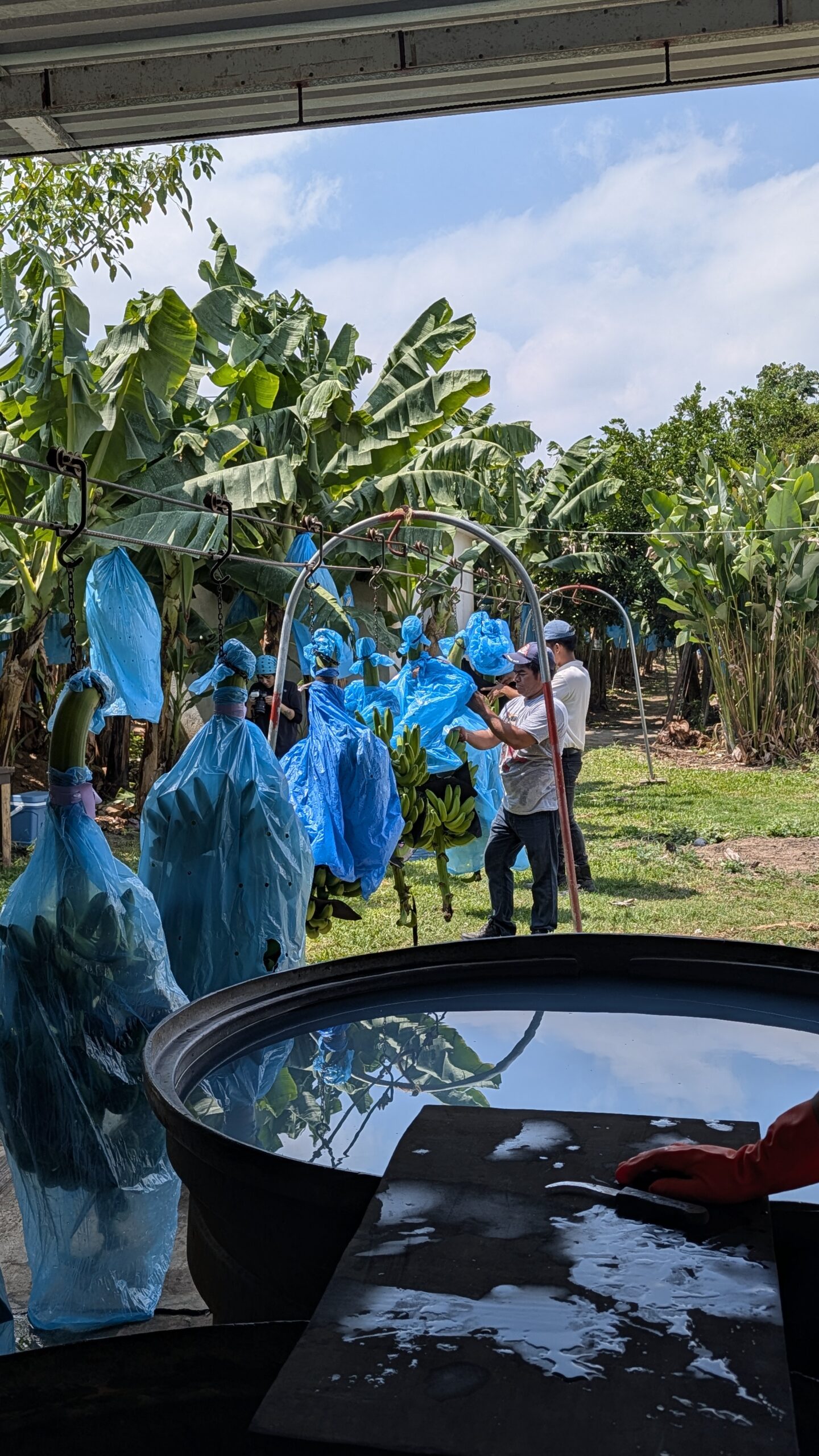
Gustavo has learned new farming practices to cope with sudden weather changes intensified by climate change and phenomena such as El Niño. He recalls that, on one occasion, despite keeping his drainage channels clean and in good condition, heavy rains caused flooding that affected between 30% and 40% of the plantation.
Recovering from that loss took time, work, and effort.
The experience also taught Gustavo that waiting for the problem to arrive is no longer enough. That’s why regenerative agriculture now sits at the center of how he farms. This plantation is the foundation of his family’s livelihood, so protecting it is essential—not only to secure their income, but also to keep moving forward with his plans to grow as a farmer.
In Gustavo’s case, the first thing he does to prepare for heavy rains is establish live barriers—rows of plants strategically placed across the farm that act as a natural buffer, slowing down the speed and force of rainwater, reducing soil erosion, and helping keep valuable topsoil in place. He has also built sediment traps to prevent rainwater from quickly running off into nearby water sources, such as rivers, wells, ponds, and irrigation channels, allowing more water to remain on the farm.
These practices help recharge groundwater and keep sediment, waste, and agricultural inputs from reaching these water sources.
During periods of drought, Gustavo focuses on conserving soil moisture. Instead of eliminating weeds with herbicides as he did in the past, he now manages them differently. He cuts them with a machete and leaves the plant material on the ground to provide cover, retain moisture, and help prevent the soil from drying out. This also helps keep the soil environment cooler for microorganisms.
Who Benefits From Regenerative Agriculture? The Farmer
Gilberto Rojas, operations director at TechnoServe Mexico, sees regenerative agriculture as an investment in the future of the farm.
“Regenerative agriculture practices are like having an environmental savings account: every action that strengthens the soil, conserves water, and improves how the land is managed is an investment that helps the farmer be better prepared when a climate event hits,” he said.
While a savings account gives you resources to draw on during a financial emergency, regenerative practices help build up natural reserves and capacities that can cushion the effects of a more unpredictable climate, Gilberto explained.
Gilberto emphasizes that the greatest long-term benefit of regenerative agriculture is to the farmer. By improving soil health and preserving the land’s productive capacity, regenerative practices help farmers sustain their production and remain productive into the future.
“In many agricultural systems, the market can offer a premium price when it demands certain characteristics: a specific size, a certain quality standard, the absence of particular agrochemicals, or specific ripening conditions,” explained Gilberto.
With regenerative agriculture, on the other hand, many of a farmer’s investments pay off directly on the land: conserving water, protecting the soil, and sustaining productive capacity longer.
“Out in the fields, just like in finance, saving today can be the difference between weathering a crisis and losing everything when it hits,” Gilberto stressed.
Regenerative Agriculture Practices That Build Climate Resilience
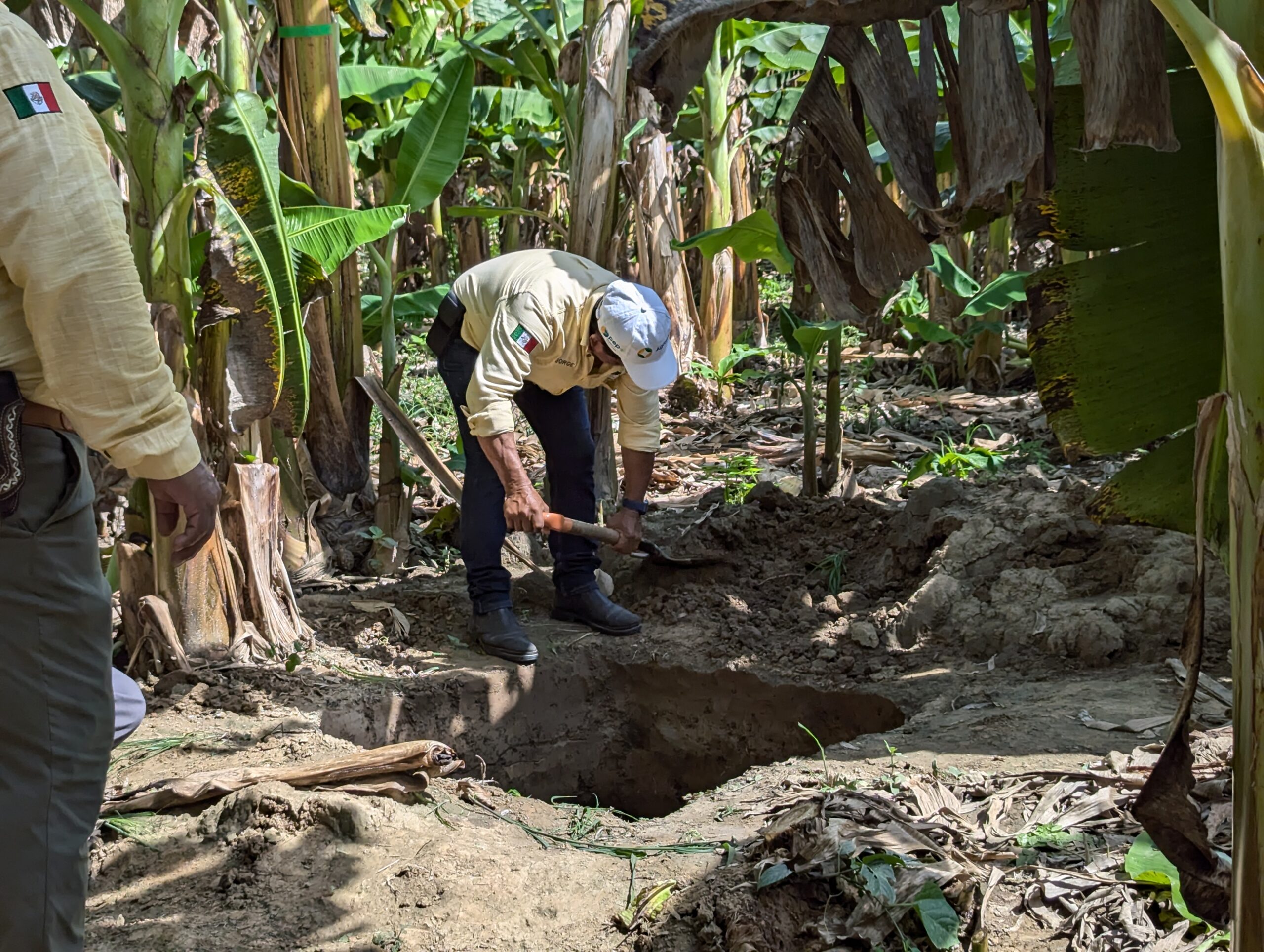
For Gilberto, this “environmental savings” can be built up through different practices that strengthen the main productive resources.
1. Protecting soil health and productivity through practices like reducing or limiting tilling, understanding the soil health of the arable, fertile topsoil, and designing nutrition plans for soil based on analyses.
2. Letting nature do part of the work by harnessing natural processes that can support how the production system functions, like managing weeds as ground cover to conserve soil moisture and planting flowers to attract pollinators or act as pest repellents.
3. Managing water with tomorrow in mind by identifying opportunities to reduce leaks and waste and use the resource more efficiently. And practices that help ensure this resource remains safe to drink and reusable in the future.
“Keep Moving Forward”
For farmers like Gustavo, adapting to climate change means seeing their land not just as the place where the next harvest comes from, but as an asset that needs to be preserved to keep producing.
As we left his farm, Gustavo shared: “We can’t control nature, but we can prepare, keep working, and keep moving forward.”

A Different Way to Make A Difference.
Discover how TechnoServe bridges the gap between “thinking big” and practical business solutions that help hardworking people move from poverty to prosperity around the world.
