




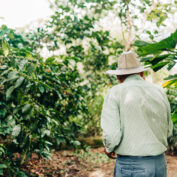
Fostering Resilience: Regenerative Agriculture and Living Income
How does regenerative agriculture impact the ability of coffee-farming households to earn a living income? A new paper provides data from seven countries.
How does regenerative agriculture impact the ability of coffee-farming households to earn a living income? A new paper provides data from seven countries.
As climate volatility becomes a structural feature of agricultural planning rather than a risk to be managed, decisions across agri-food systems carry increasing consequences for farmers, businesses, and food security. Against this backdrop, TechnoServe India convened Growing Forward: Decisions That Could Define the Future of Agri-Food Systems,…
Timely investment can secure the livelihoods of millions of small-scale coffee farmers. An insightful new report by TechnoServe and UNIDO’s ACT Coffee Programme applies a critical climate-risk lens to 10 of the world’s most vital coffee-producing nations.
Case studies from the CASA Kenya Program highlight opportunities for agribusinesses to drive green and inclusive growth.
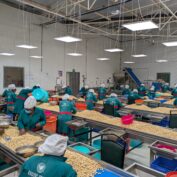
The Export Readiness Playbook serves as a practical, step-by-step guide to understanding what it takes to enter, compete, and succeed in international markets.
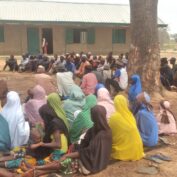
How can community-based organizations support local economic development? This case study draws from the experiences of dairy farmers engaged through women-only, men-only, and mixed-sex self-help groups (SHGs) and cooperatives to provide new insights.

This paper from the Commercial Agriculture for Smallholders and Agribusiness (CASA) Technical Assistance Facility’s learning series explores shared value creation as a growth strategy.
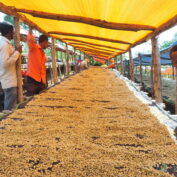
TechnoServe shares research and guidelines for improving coffee cup quality and wet mill profitability.

This new white paper highlights the opportunity for small and medium-sized African food businesses to boost farmer livelihoods
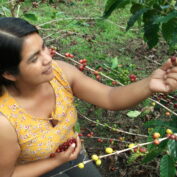
Empowering women is one of the most effective ways to fight poverty. However, in agricultural supply chains like coffee, women face significant cultural and structural barriers. They often lack access to critical resources such as land, finance, and education—key tools for participating fully in the economy and contributing…
