


Resources
CASA: Agricultural Finance Flows and Roadmap to Unlocking Green and Inclusive Agri-Investment in Tanzania
A new analysis of agricultural finance flows in Tanzania highlights farmers’ unmet capital needs, while the roadmap for agri-investment presents solutions to boost the sector’s sustainable growth.
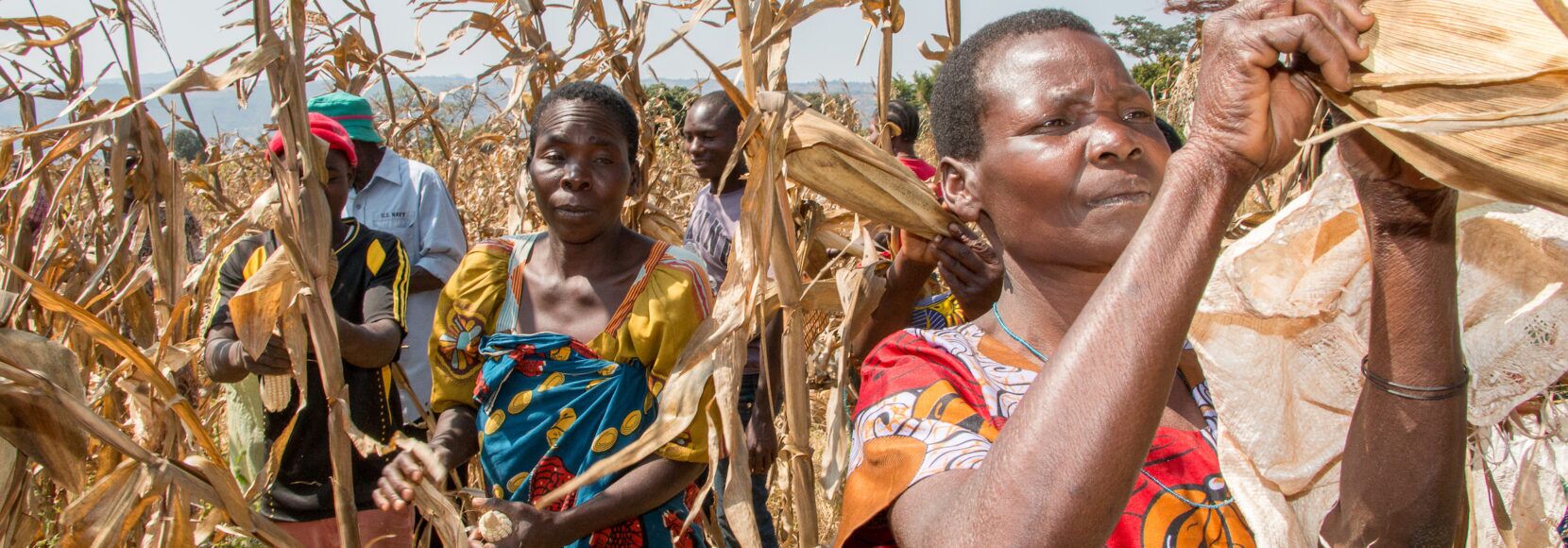
Agriculture accounts for nearly a quarter of Tanzania’s GDP and employs about two-thirds of the workforce. The foundation of this sector is millions of smallholders, growing crops on less than two hectares of land. According to a new analysis carried out by TechnoServe as part of the CASA program, however, little of the agricultural investment in the country reaches these farmers.
Agriculture Financing Flows in Tanzania estimates that while farmers in the country need $13.2 billion in financing annually, just 2% of this demand is currently being met. Put another way, the average farming household needs $1,500 in financing but only receives $35. As a result, farmers are unable to invest in their farms and build resilience, threatening their livelihoods and weakening supply chains.
Small and medium-sized agribusinesses similarly face a significant finance gap:

The Roadmap to Unlocking Green and Inclusive Agri-Investment in Tanzania presents an actionable roadmap to double the annual amount of financing into the sector in five years. The roadmap calls on ecosystem actors to strengthen seven channels:
- Expanded agri-SME lending by banks: Partner with lead commercial banks to build agri-specific capabilities and provide financial incentives to increase lending to the sector.
- Increased impact fund investments into agriculture: Support capital deployment through existing funds and enable the creation of new ag-focused investment funds.
- Capital mobilization for MFIs: Help MFIs access low-cost capital and de-risk portfolios to expand credit distribution to agri-SMEs and smallholder farmers.
- Support for tech-enabled aggregators to extend loans to in-network farmers: Support setting up partnerships with third-party financiers to extend loans across their farmer networks.
- Improved operations for input and asset providers: Strengthen core operations and investment readiness to help providers unlock capital for high-impact asset loans (such as tractors and solar).
- Value chain financing with large agribusinesses: Support and incentivize large agribusinesses extending input financing to their farmer networks, directly or through third-party financiers.
- Larger agri-loans portfolios at SACCOs: Support SACCOs in accessing and distributing specialized agricultural credit to smallholders.
Underpinning all of these solutions, the roadmap proposes three cross-cutting levers:
- Technical assistance for lenders, agri-SMEs, and producers;
- Catalytic capital to mitigate risk, increase incentives for lending, and reduce the cost of capital;
- Stronger enabling environment spanning government and research collaboration, better infrastructure, and improved implementation and advisory capacity.
The roadmap estimates that these actions could help farmers and agri-SMEs earn an additional $150 million annually, improve the climate resilience of 250,000 hectares of agricultural land, and generate 20,000 new jobs.