



The Role of Entrepreneurship in Economic Development: How Local Entrepreneurs Create Jobs
Table of Contents
- Introduction
- Entrepreneurs’ Role in the Economy of Developing Countries
- How Entrepreneurs Create Jobs in Their Communities
- From One Business to Many: The Job-Creation Ripple Effect
- Economic Growth Through Entrepreneurship: Innovation and Productivity
- Building Local Economies and Community Wealth
- Entrepreneurship in Economic Development: Evidence From the Field
- How You Can Help Local Entrepreneurs Create Lasting Change
- Entrepreneurship and Economic Development
Learn how small businesses create economic growth, employment, and opportunity around the world.
In a small city in Mozambique, Chaquila José Augusto started with one idea and a little working capital. A few years later, her business employs several people from the surrounding community — neighbors who now earn a steady wage, send their children to school, and spend their income at other local shops.

Chaquila’s story exemplifies the role of entrepreneurship in economic development in its simplest, most powerful form. Across Africa, Latin America, and South Asia, local entrepreneurs are the engine that turns ideas into income, businesses into jobs, and communities into self-reliant economies. So how do entrepreneurs help the economy—and why does it matter so much in the places where opportunity is scarcest? Let’s break it down.
Entrepreneurs’ Role in the Economy of Developing Countries
At the macro level, entrepreneurship fosters economic development through innovation and job creation. When someone launches a new business, they don’t just earn a living for themselves. They hire workers, pay suppliers, generate tax revenue, and introduce products and services that were previously unavailable in their communities.
In Africa, Latin America, and Asia, this is especially important. Formal employment is often scarce, and large employers are few. Small businesses and new ventures fill that gap, employing workers who would otherwise have no path into wage employment. According to the World Bank, small and medium enterprises account for the majority of jobs in these regions, which makes entrepreneurship not a side story but the main story of how these economies grow.
The role of entrepreneurship in economic development is foundational. Entrepreneurs build the businesses that build the economy from the ground up—locally owned, locally rooted, and far more sustainable than growth that depends on outside aid.
How Entrepreneurs Create Jobs in Their Communities
One of the most visible ways entrepreneurs help the economy is through employment growth. A thriving business needs workers. As it grows, it hires more of them, creating new jobs and opportunities where few existed before.
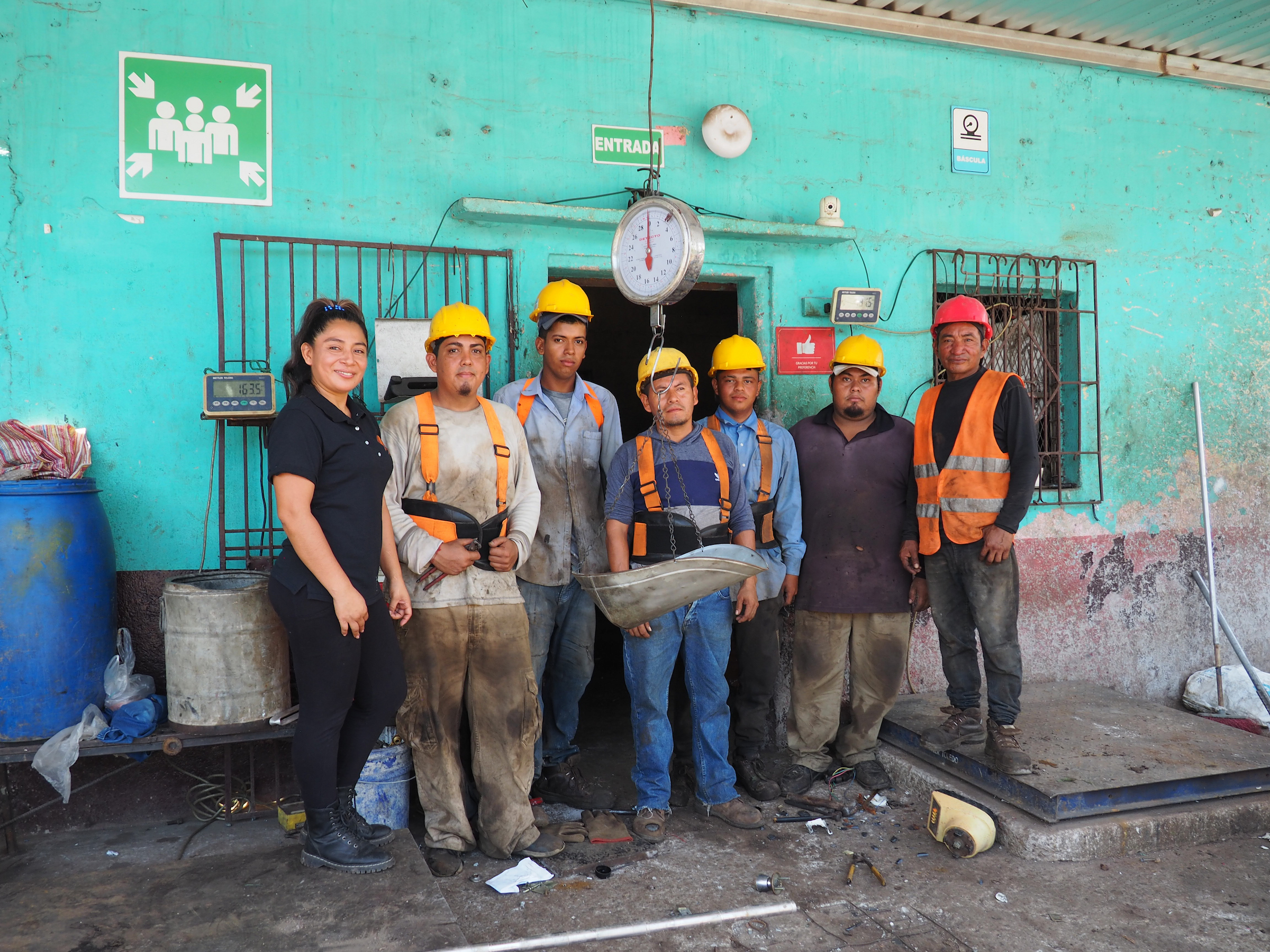
Consider how this unfolds. A single business owner opens a food-processing operation. To run it, they need workers on the processing line, others to pack the finished product, and someone to manage the books. Each role is a household lifted toward stability. As the business scales, employment opportunities multiply, and the wages those workers earn flow back into the community.
This is why entrepreneurship is so central to development economics. Jobs are the most direct route out of poverty, and entrepreneurs are the ones who create them at the local level, in the communities that need them most.
From One Business to Many: The Job-Creation Ripple Effect
The impact rarely stops at one company. A thriving business creates demand that other businesses rush to meet: suppliers, distributors, repair shops, and service providers all spring up around a successful venture.
In Tanzania, for example, when Severina Paul Mwakateb expanded her grain-milling and cooking-oil business, the effect rippled through nearby communities: more than 100 farmers gained a stable, profitable market for their crops. One business became better livelihoods for many: that is the ripple effect of entrepreneurship, and it shows how isolated successes become broad-based economic development.

Economic Growth Through Entrepreneurship: Innovation and Productivity
Jobs are only part of the picture. Entrepreneurs also drive growth by introducing innovation — new products, new ideas, and new ways of working that raise productivity across an entire industry.
When an entrepreneur finds a greener way to manufacture an essential product, develops new distribution channels, or offers customers a healthier product, they don’t just improve their own margins. They raise the bar for everyone, fostering healthy competition and forcing the whole market to become more efficient. New ventures introduce products and ideas that established players hadn’t imagined, reshaping markets over time.
Higher productivity can lead to long-term prosperity. It means more output from the same resources, higher incomes, and goods that are better and more affordable for consumers. In low-income economies, where productivity gains are most needed, entrepreneurs are often the ones delivering them.

Building Local Economies and Community Wealth
Sustained entrepreneurship does more than create jobs and spark innovation: it builds lasting wealth. As businesses grow and pay wages, per capita income rises. A widening tax base gives local governments the resources to invest in roads, schools, and clinics. Money circulates and recirculates within the community rather than leaking away.

This transformation represents community development in the truest sense, and it’s the difference between temporary relief and genuine economic independence. When local entrepreneurs succeed, the standard of living rises not for one family but for an entire region. Wealth creation becomes self-sustaining, because it is owned by the people who live there.
Entrepreneurship in Economic Development: Evidence From the Field
Entrepreneur-led development isn’t theory for TechnoServe: it’s our daily work. For more than 50 years, we’ve helped entrepreneurs, farmers, and food businesses in more than 30 countries build the skills, connections, and confidence they need to grow.
Our programs are built on market-based approaches. Rather than handing out short-term aid, we help businesses become commercially viable so their impact lasts long after our programs end. Through training in business management, access to finance, and connections to larger markets, we help local entrepreneurs do what they do best: create jobs and grow their communities.
The results speak for themselves.
- In Chile, the EMERGE program helped nearly 90% of participating businesses continue to operate–in many cases up to eight years after completing training and despite the COVID-19 pandemic. More than half attributed their business’ survival to TechnoServe’s support.
- In Ethiopia, the LI-WAY program helped to create or sustain 20,000 jobs across Addis Ababa’s recycling sector.
- In Benin, the BeniBiz program helped entrepreneurs increase their average revenue by 130% and create 12,000 new jobs. TechnoServe is now building the capacity of local institutions and organizations to provide similar support to entrepreneurs.
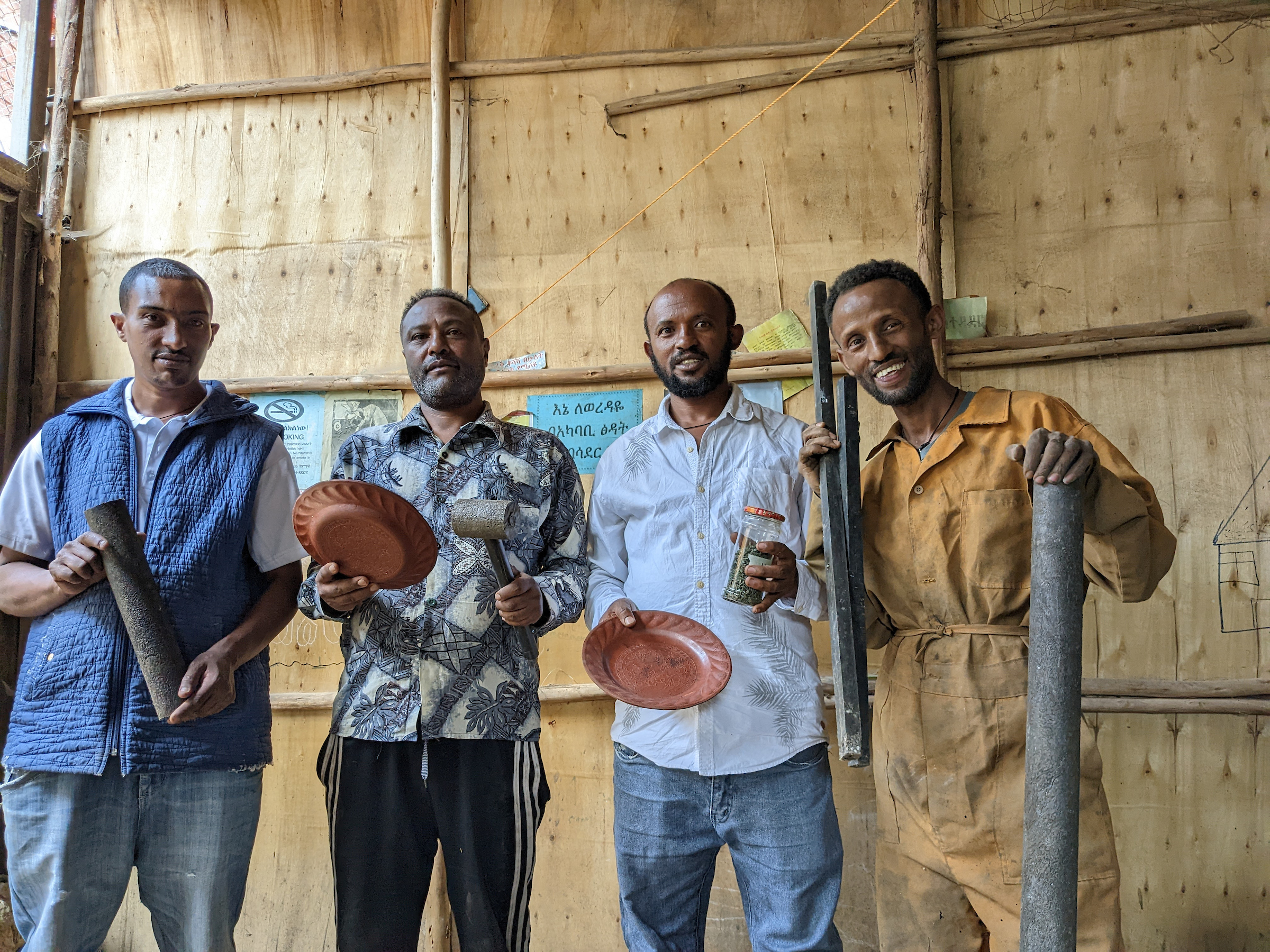
These are the kinds of measurable, evidence-backed outcomes that turn the role of entrepreneurship in economic development from an idea into a proven strategy. (See our annual report for more data.)
How You Can Help Local Entrepreneurs Create Lasting Change
Understanding how entrepreneurs help the economy leads to an obvious question: how can you be part of it?
Supporting entrepreneurship is one of the most enduring forms of giving. Unlike one-time aid, an investment in a local business keeps paying dividends—jobs created, families lifted, and communities strengthened for years to come. When you support TechnoServe, your contribution helps fund the training, mentorship, and market access that turn a single entrepreneur’s ambition into broad economic development.
We hold ourselves accountable for that impact. TechnoServe publishes transparent financials and is rated by independent evaluators like Candid (GuideStar), so you can see exactly how your support translates into measurable outcomes.

FAQs
Entrepreneurship and Economic Development
What is the role of entrepreneurship in economic development?
Entrepreneurship is a primary driver of economic development: entrepreneurs create new businesses that generate jobs, spur innovation, develop new products and services, increase productivity, and expand the tax base. In developing economies, local entrepreneurs turn ideas into income for entire communities, building sustainable pathways out of poverty rather than relying on aid alone.
How does an entrepreneur help the economy?
An entrepreneur helps the economy by starting a venture that hires workers, pays wages, and circulates money locally. As the business grows, it creates new jobs, introduces new products, and raises productivity—effects that ripple outward to suppliers, families, and the wider local economy.
What are the key roles of entrepreneurs in the economy?
The key role of a business is to solve problems in their community by offering products and services. They also support job creation, innovation, productivity growth, market competition, and wealth creation. Entrepreneurs also strengthen the tax base and raise standards of living — especially powerful in developing economies where formal employment is scarce.
What are five ways entrepreneurs improve the economy?
Entrepreneurs improve the economy by (1) creating jobs, (2) driving innovation and new products, (3) increasing productivity, (4) fostering healthy competition and new markets, and (5) paying taxes that enable local, regional, and national governments to provide essential services.
How do successful entrepreneurs contribute to the economy?
Successful entrepreneurs grow their businesses, hire more people, reinvest profits, and often mentor and supply other local ventures, multiplying their impact. They also offer products and services that are important to the economy. In TechnoServe’s programs, a single thriving business frequently anchors employment and income growth for an entire community.

