


Resources
Investing in Women to Build Stronger Agri-SMEs
Lessons from the IIGS program show how agri-food businesses can expand economic opportunities for women while strengthening supply chains, reaching new customers, and supporting business growth.
Small and medium-sized enterprises play an essential role in East Africa’s food systems. Yet many struggle with unreliable supplies, limited access to markets, and difficulty obtaining finance. At the same time, women contribute significantly as farmers, employees, business owners, customers, and household decision-makers without always receiving the income, opportunities, or influence that reflect their contributions.
The Implementing Inclusive Growth Strategies (IIGS) program was built around the idea that addressing these two challenges together can create value for businesses and women. Supported by the Visa Foundation and implemented by TechnoServe, IIGS worked with 32 food-processing SMEs in Kenya and Tanzania between 2023 and 2025.
The program helped businesses examine how women and men participated across their operations and value chains. Each company identified practical changes that could respond to its commercial priorities while expanding opportunities for women. These included improving sourcing relationships with women farmers, creating safer and more structured jobs, developing products and distribution models around women customers, and strengthening women-owned businesses’ access to finance.
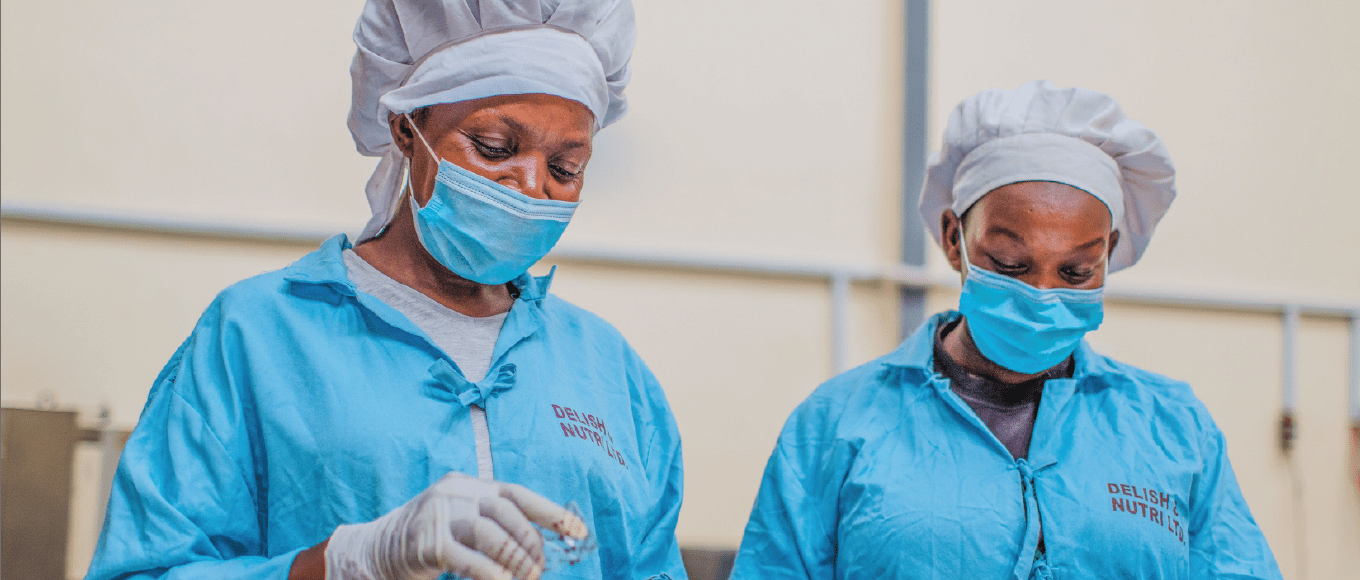
IIGS combined business diagnostics, planning tools, coaching, peer learning, and co-investment grants. This support helped SMEs move from recognizing an opportunity to testing and adopting changes within their operations. Across the program, participating food processors sourced from 69,343 smallholder farmers, including 39,931 women, and created 351 jobs, more than half of which were held by women.
The Unlocking Business Resilience and Shared Prosperity through Gender-Diverse Agri-SMEs learning brief also presents examples from Asili Dairy in Tanzania and Global Organic Chicken in Kenya. Their experiences show how businesses can strengthen supply reliability, improve product quality, build customer trust, and expand market reach when they intentionally consider women’s roles and needs.
Designed for agri-SMEs, donors, and development practitioners, this resource shares practical lessons for making investments in women part of a company’s core business strategy. It also provides recommendations on leadership engagement, data collection, tailored support, access to finance, and peer learning.