


Resources
Developing a Business Case for Women’s Economic Empowerment with Agribusinesses
A practical framework from CASA TAF helps agribusinesses, investors, and development practitioners examine the commercial value of investing in women.
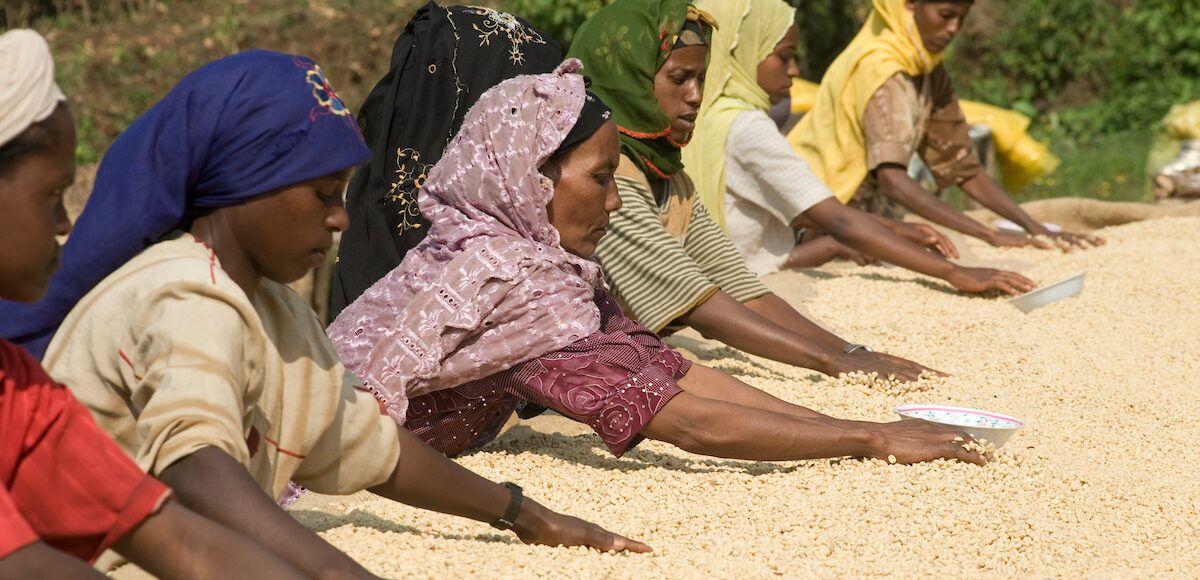
Women are integral to agricultural supply chains as farmers, suppliers, workers, intermediaries, and customers. Yet agribusinesses do not always recognize their contributions or invest in removing the barriers that limit their participation. While the development benefits of women’s economic empowerment are well established, considerably less evidence explains what these investments mean for a company’s revenue, costs, and performance.
The Commercial Agriculture for Smallholders and Agribusiness Technical Assistance Facility (CASA TAF) works with agribusinesses across Africa and Asia to promote greener and more inclusive business models. Funded by UK International Development and implemented by TechnoServe, the program partners with investors to assess and demonstrate how inclusive technical assistance can strengthen the commercial viability and development impact of agribusinesses that source from smallholders.
Drawing on CASA TAF’s portfolio, this study introduces a cost-benefit analysis framework for assessing investments in women’s economic empowerment. It helps users examine a company’s operating context, determine how women currently participate in its business model, identify changes that could expand women’s participation and economic opportunity, calculate their costs, and track their potential commercial returns.
The framework is applied to three agribusinesses: Cotacof, a coffee exporter in Tanzania; Coscharis Farms, a rice producer and processor in Nigeria; and Organic Africa, a supplier of herbs and spices in Zimbabwe. Their experiences explore how investing in women may contribute to greater supply volumes, higher productivity, stronger supplier relationships, and better use of business assets. The study also recognizes the framework as a practical starting point for businesses and their partners to determine what they should measure from the beginning and build stronger evidence over time.
Designed for agribusinesses, investors, and technical-assistance practitioners, this resource can support the development of women-inclusive strategies that respond to women’s needs while contributing to commercial goals.