



Peru
Peru has been one of the fastest growing economies in the world over the past decade, with poverty levels dropping from 55 to 26 percent and an expanding urban middle class. However, over half of the rural population still lives below the poverty line and lacks basic services.
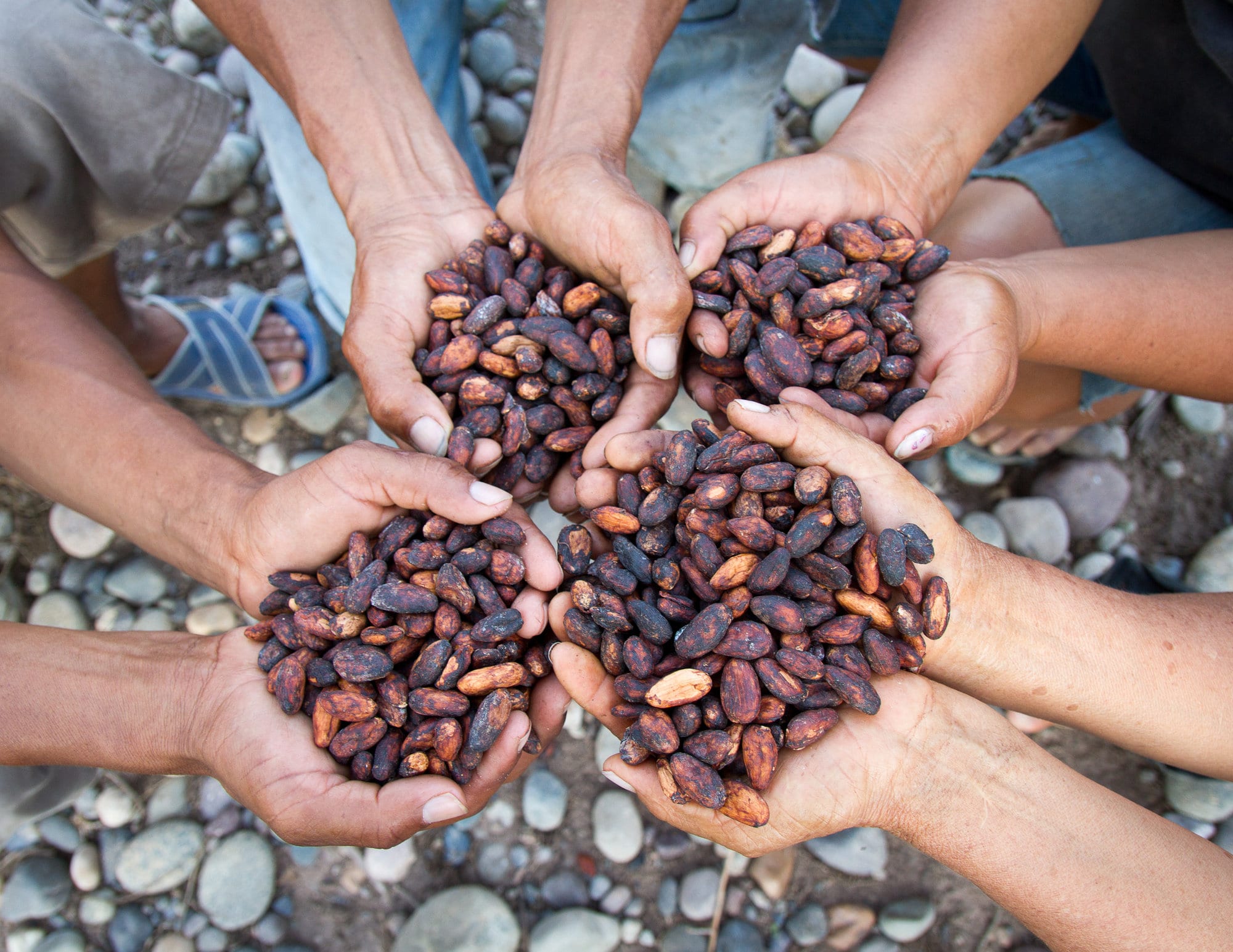
Since 1982, TechnoServe has supported businesses in a range of industries with the potential to grow, and to create jobs and opportunity for thousands of people. Working in coffee- and cocoa-growing regions and communities near mining projects, we foster close relationships between the private sector, the government, local organizations, and the greater community — creating a replicable model of inclusive local economic development.

Marco Matos
Interim Country Director, Peru
Calle Bolognesi No. 191, Urbanización Country Club
San Isidro
Lima, Peru
Tel: +51 1 6371358
Fax: +511 6371359

See the impact
Projects
-

CAFE Amazonía Resiliente
CAFE Amazonía Resiliente is a four-year initiative (2025-2029) funded by JDE Peet’s in Peru, aimed at improving the productivity and income of 12,500 smallholder coffee farmers in the San Martín and Huánuco regions. By promoting regenerative agricultural practices, forest conservation, and access to formal markets, the project seeks to ensure a high-quality coffee supply while…
-

Maximizing Opportunities in Coffee and Cacao in the Americas (MOCCA)
The Maximizing Opportunities in Coffee and Cacao in the Americas (MOCCA) project was a seven-year initiative funded by the U.S. Department of Agriculture (USDA) through the Food for Progress program. Implemented by TechnoServe and partners, MOCCA worked to support over 120,000 farmers across Guatemala, El Salvador, Honduras, Nicaragua, Ecuador, and Peru to overcome barriers to…
-
Coffee Alliance For Excellence (CAFE) and Mujeres CAFE
CAFE is a public-private partnership working to create a more prosperous and inclusive coffee sector. The program is helping 12,000 coffee farming families, many of them in former coca-growing regions, to earn more sustainable livelihoods by improving productivity and quality and building links to profitable markets.
Blog Posts
-

Regenerative Coffee Production and the Living Income Gap: 3 Takeaways
Global Coffee Director Paul Stewart shares three key takeaways from TechnoServe and Sustainable Food Lab’s new report on how adopting regenerative practices affects coffee-farming households’ ability to earn a living income.
-

Green Jobs for Youth: How Young Entrepreneurs Are Changing Peru’s Recycling Sector
This International Youth Day, we’re highlighting how green jobs for youth are driving meaningful change in Peru’s recycling sector with targeted support from TechnoServe.
-
Postcards From the Field: Nonprofit Impact Stories Creating Economic Opportunity
This month, we’re sharing postcards from TechnoServe staff who are creating change in communities across Africa, Latin America, and Asia. Get a glimpse into their daily routines and learn about the clients they support every day.
Resources
-
Fostering Resilience: Regenerative Agriculture and Living Income
Learn More: Fostering Resilience: Regenerative Agriculture and Living Income -
Women’s Leadership and Economic Empowerment in Peru’s Coffee Sector
Learn More: Women’s Leadership and Economic Empowerment in Peru’s Coffee Sector -
Case Study: Building a Sustainable and Competitive Cocoa Value Chain in Peru
Learn More: Case Study: Building a Sustainable and Competitive Cocoa Value Chain in Peru