Sustainable Business Solutions to Poverty: A Fellow’s Experience in Kenya
Table of Contents
- Introduction
- How the Smart Duka Program Creates Lasting Change
- Scaling the National Duka Owners Umbrella Organization
- Sustainable Livelihoods: Beyond the Spreadsheets
- Witnessing Market-Based Solutions in Action
- Economic Empowerment: Impact on Women and Youth
- The Future of Sustainable Business Solutions in Kenya
TechnoServe Fellow Rediet Yeshidenber shares her experience building sustainable business solutions to poverty in Kenya by transitioning the Smart Duka program into a self-sustaining independent organization. Discover how strategic financial modeling and community-driven entrepreneurship are driving global equity and empowering micro-retailers across Nairobi.
By: Rediet Yeshidenber
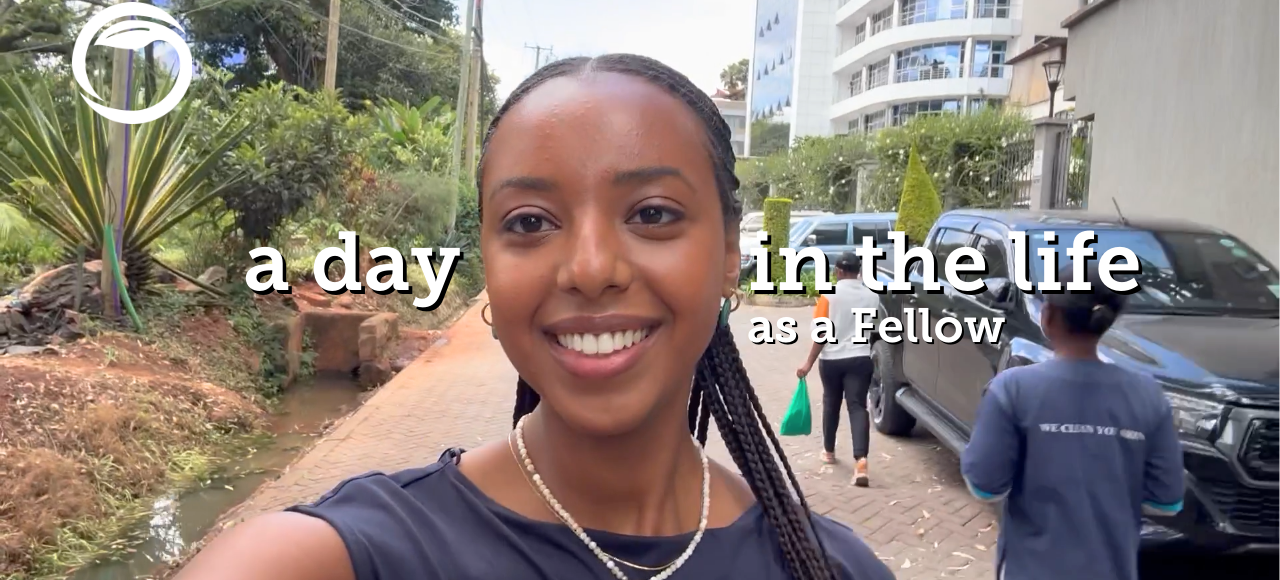
Rediet Yeshidenber is a TechnoServe Fellow who recently completed a five-month placement in Nairobi, Kenya. Before joining the program, she spent two years as a consultant at Bain & Company, specializing in strategy and operations. Driven by a passion for inclusive economic opportunity, Rediet holds a degree in Business Economics and has supported community-led initiatives and youth development from Ethiopia to Chicago.
It’s hard to believe my five months here in Nairobi, Kenya, are already coming to a close. My name is Rediet Yeshidenber, and I came to Kenya from the Chicagoland area, leaving my role as a consultant at Bain & Company to join the Smart Duka team as a TechnoServe Fellow. The Fellows Program is such a unique bridge that connects professionals from all over the world with TechnoServe’s field teams to help solve complex business challenges in emerging markets. It’s an opportunity to take the strategic skills I’ve used in the corporate world and apply them directly to projects that improve livelihoods and create lasting economic impact. Being on the ground here and engaging with these communities has been one of the most enriching experiences of my life.
Learn more about TechnoServe’s Fellows Program.
How the Smart Duka Program Creates Lasting Change
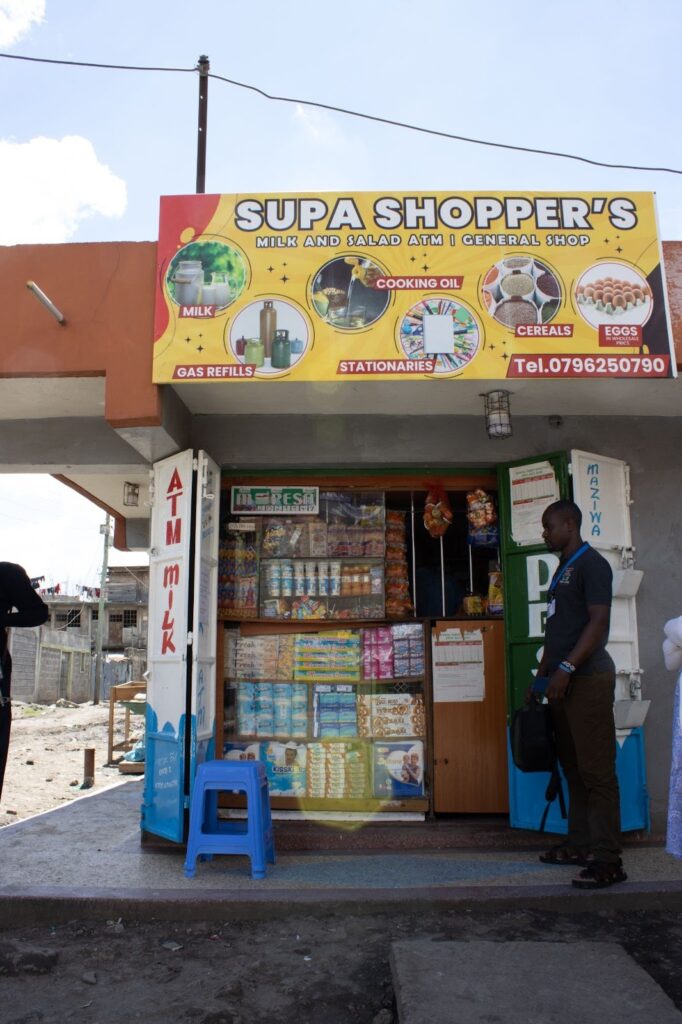
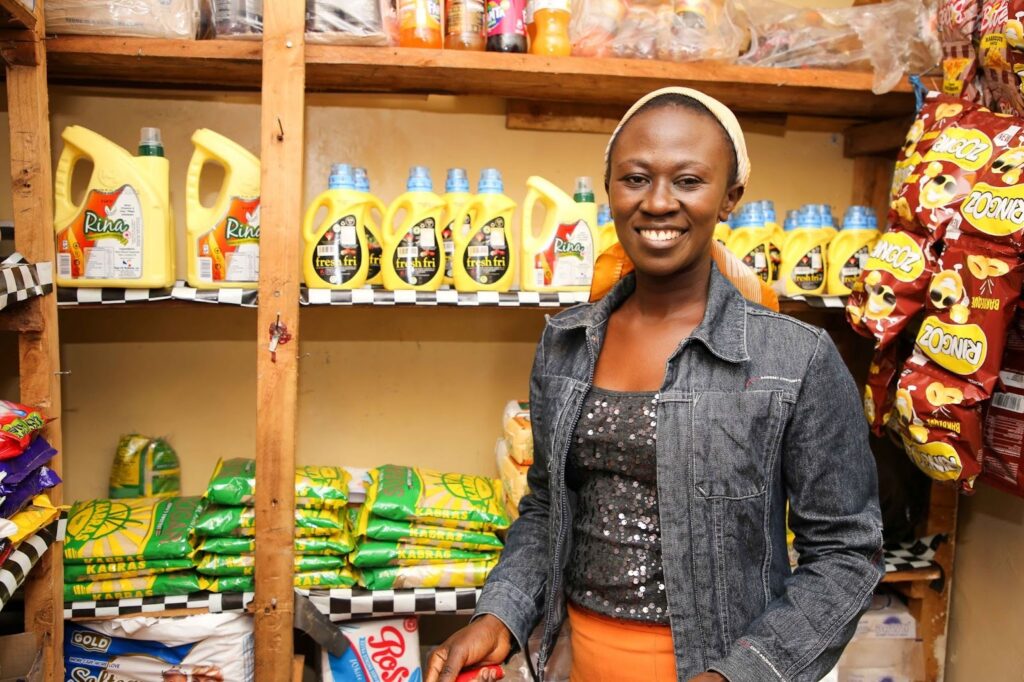
When I talk about my work with Smart Duka, I’m talking about the heartbeat of the Kenyan economy. If you walk down any street here, you’ll see these small mom-and-pop shops, or kiosks, which we call dukas. They are where everyone goes for their daily essentials like flour, milk, or even toilet paper.
For the last 10 years, TechnoServe’s team has been working to formalize this sector by equipping micro-retailers with the tools to grow their shops. They train them in everything from merchandising and business practices to customer service, so they can ultimately improve their income and support their families. It is all about creating a scalable market-based solution that empowers entrepreneurs for the long run.
Scaling the National Duka Owners Umbrella Organization
The most exciting part of my Fellows project has been helping the team transition into something even bigger. After a decade of operating under TechnoServe, we are spinning off an autonomous, member-based organization called the National Duka Owners Umbrella Organization (NDO). The goal is for the NDO to run on its own, generating its own revenue so it can continue training retailers and connecting them with suppliers long after donor funding ends.
Sustainable Livelihoods: Beyond the Spreadsheets
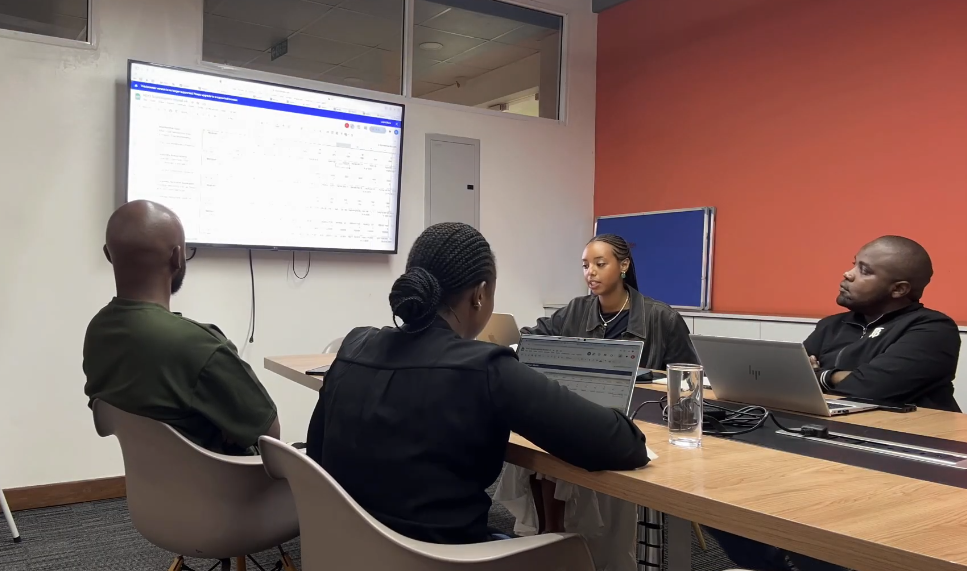
Building an entire organization from the ground up is a huge lift, and that’s where my focus has been. I joined right as TechnoServe was developing the strategy for ensuring nonprofit financial sustainability. I’ve spent my days building a complex sustainability model, analyzing our cost structures over the next three years to determine exactly when we’ll break even. I’ve also been refining a corporate subscription plan, a new revenue stream that lets larger corporations pay for packages that include training and market linkages with these small shop owners.
It’s been a lot of deep strategy work, even down to the final stages of recruitment for the NDO’s new leader. Now that it’s my last week, I’m focused on the handover, spending time with our finance team to make sure everyone is comfortable running the model once I’m gone. I hope my hard work will leave behind a solid foundation for the NDO’s revenue trajectory. Seeing how this support is transforming lives makes every spreadsheet worth it.
Witnessing Market-Based Solutions in Action
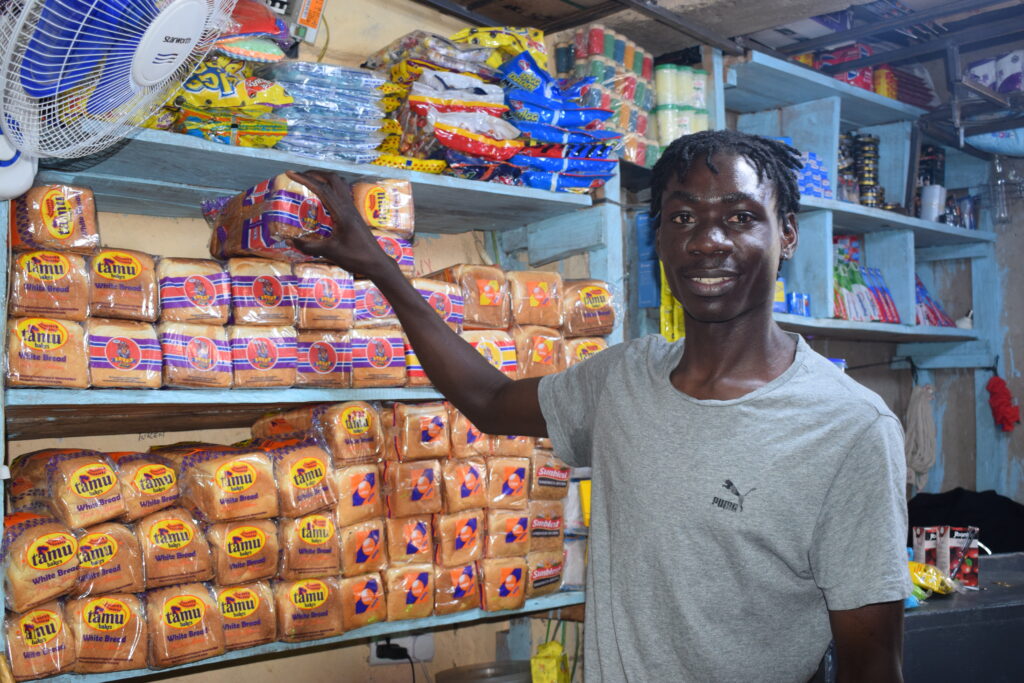
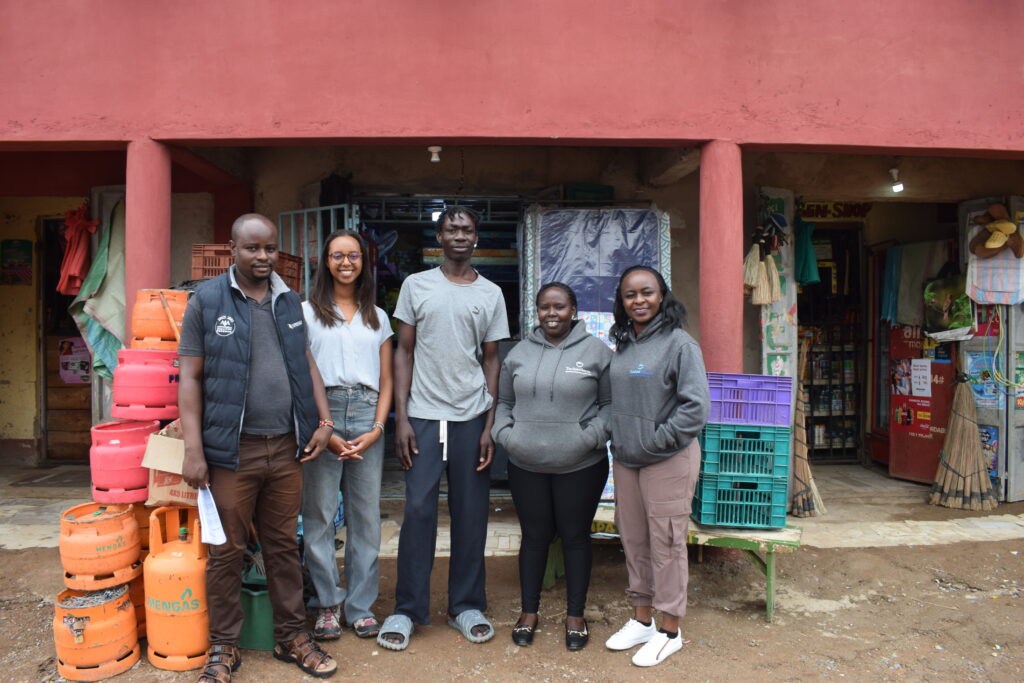
I recently went with the team to visit a shop owner named Simon Maende, whose journey perfectly illustrates why this work matters. After a devastating fire destroyed his first kiosk, Simon used Smart Duka’s training on investment management and diversification to rebuild his business into a thriving retail hub that now employs his two sisters. Seeing his well-organized, permanent shop in person made the data in my financial models come to life; it was a powerful reminder that strategic business training is a vital tool for resilience.
Economic Empowerment: Impact on Women and Youth
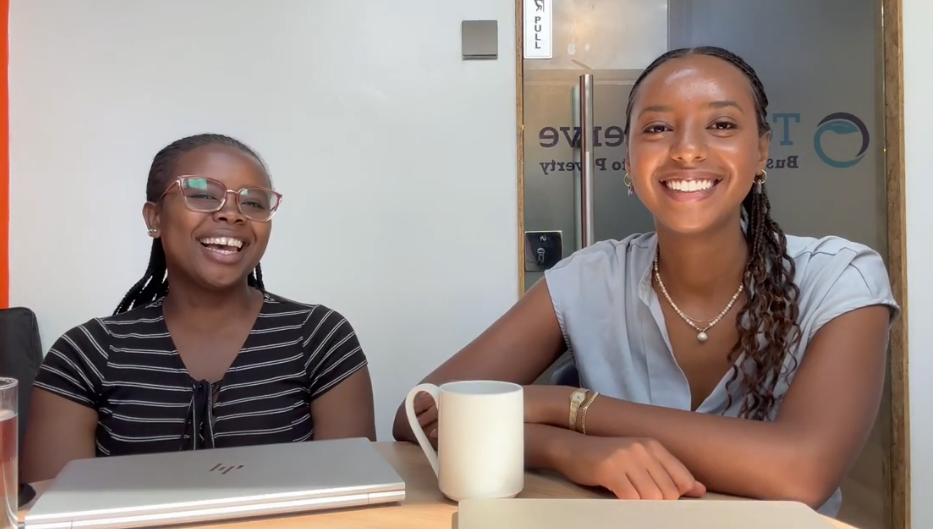
As I transition off the project and prepare to go home, perhaps my biggest personal takeaways come from working with the TechnoServe team. My colleagues Simon Mburu and Rachel from the Smart Duka team have taught me so much about what it means to be truly passionate about community impact.
Simon has been with the team for the last seven years, and I really like how he thinks about entrepreneurship as a tool for improving livelihoods. He currently supports our monitoring and evaluation, but he’s done it all—from implementation and training to risk management. He reminds me constantly that these shops are the backbone of the economy, especially for the youth and women who make up 60% of the network. His work is a testament to how we are driving global equity through economic empowerment.
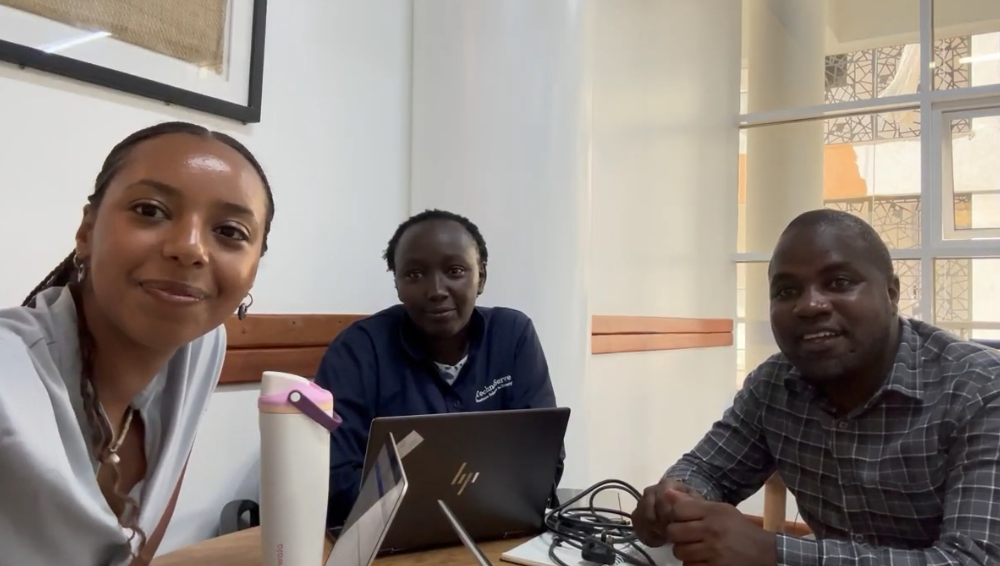
I’ve also learned a lot from Rachel, who has also been with TechnoServe for seven years. She has such a heart for the micro-retailers; she told me the most enjoyable part of her work is witnessing the pathway out of poverty as she watches the growth and change in these individuals while we work with their businesses.
The Future of Sustainable Business Solutions in Kenya
Seeing the NDO through the eyes of Simon and Rachel has been the perfect conclusion to my fellowship. Their perspective has helped me look beyond this financial model to the actual people whose lives are transformed when their small shop finally has the tools to succeed. I am so grateful to have spent these last few months with a team that is not only smart but deeply committed to ensuring these entrepreneurs have a voice and a future.
We wrapped up my project with one last team dinner in Nairobi, and sitting there with everyone, I realized that while my work was about building a sustainable organization, the real sustainability lies in this team’s dedication. Knowing that the NDO is in such capable hands—hands that truly care about the families and communities behind every duka—makes saying goodbye a little easier. It’s been an incredible journey, and I’m heading home feeling so proud of what we’ve built together to provide sustainable business solutions for Kenya’s micro-retailers.